EU leaders tussle over who to send to Ukraine peace talks
At the European Political Community summit in Dublin, EU leaders failed to agree on who should represent Europe in peace talks over Russia's war in Ukraine. They fear Washington may accept Russian demands to reshape European security.
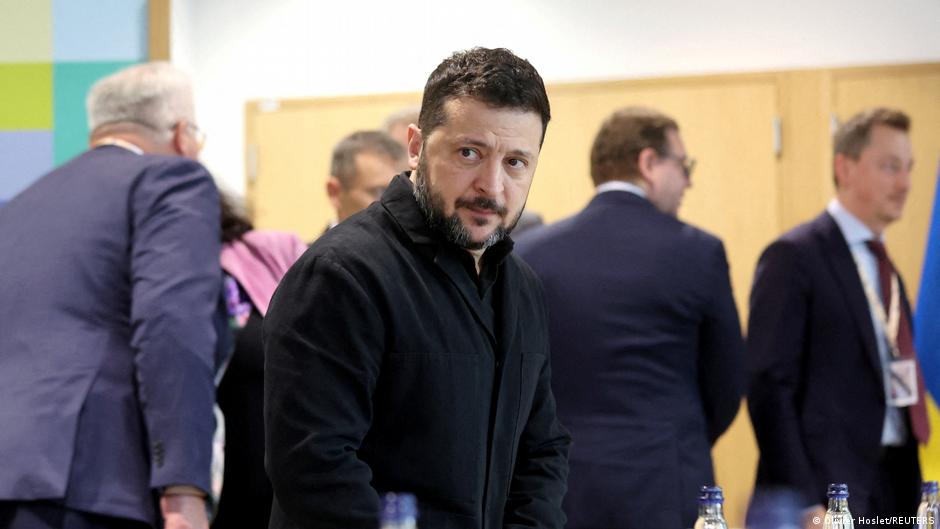
At the European Political Community summit in Dublin, attended by 47 European leaders, EU leaders could not agree on who should represent Europe in peace talks over Russia's war against Ukraine. The question became pressing after US envoy Steve Witkoff, an adviser to President Donald Trump, told reporters that Europeans would be present at the next meetings. The uncertainty matters because it may determine whether Europe can influence the future of Ukraine and the continent's security.
Europe looks for a seat at the table
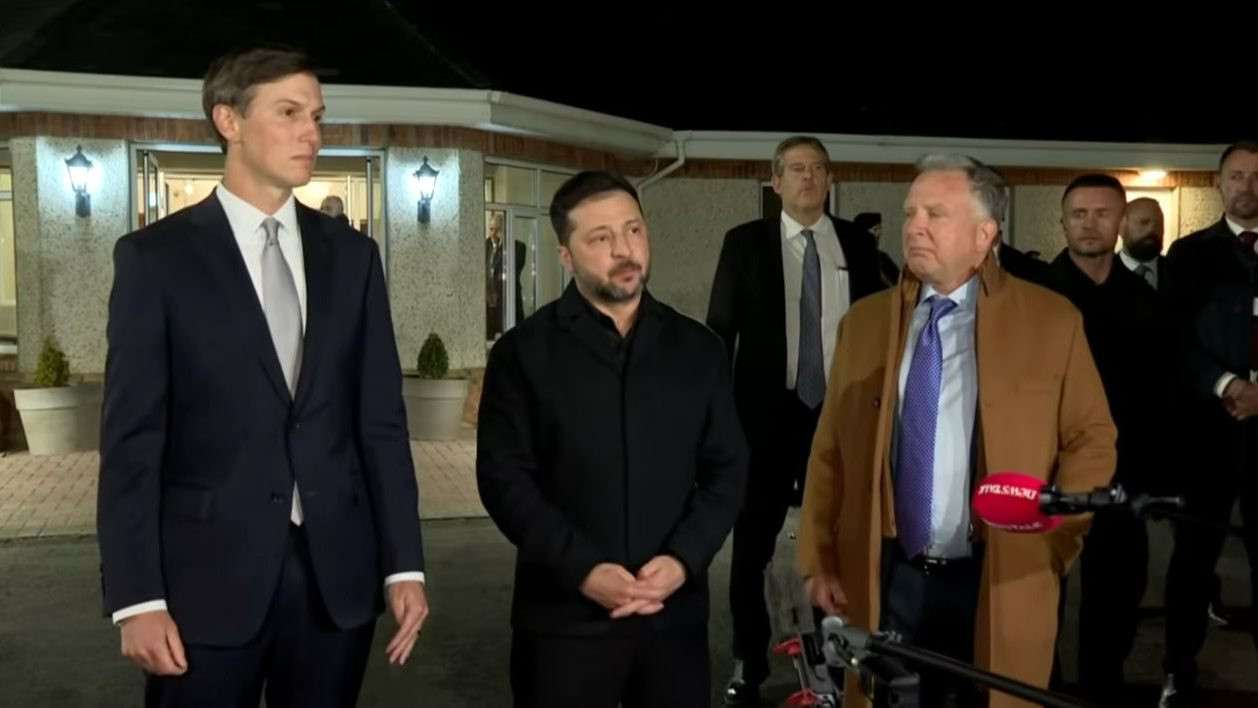
Witkoff and Trump's son-in-law Jared Kushner recently attended talks in Abu Dhabi, then met Russian President Vladimir Putin in Moscow, before travelling to Dublin to brief Ukrainian President Volodymyr Zelenskyy. Asked why Europe should get one seat while the US has two, EU foreign policy chief Kaja Kallas responded with an ironic laugh. She and European Council President Antonio Costa are named as the likeliest candidates to represent the EU, but the bloc has not settled on a single person, as many national leaders want to attend themselves.
German Chancellor Friedrich Merz said Ukraine, Europeans, Americans and Russia must all be at the table, yet like several other leaders he played down the idea of a special envoy. Zelenskyy stressed that Europe must become a regular part of the negotiations. Italian Prime Minister Giorgia Meloni wrote to Costa last week criticising the lack of unity, saying an image of disarray serves those who want the war to continue. Slovenian Prime Minister Janez Jansa spoke of a "bad mood" among leaders, while Latvian Prime Minister Andris Kulbergs said he did not feel that.
Security concerns
Leaders fear the US could accept Russian demands to change Europe's security structure, mainly through NATO. Putin cited a commitment that Ukraine will never join NATO and even rolling back the alliance's membership of Finland and Sweden as possible demands. He also said European troops deployed in Ukraine would be a legitimate target. Estonian Prime Minister Kristen Michal said Europe is currently in a Russian trap.
Funding dispute
In October the European Commission identified a €70 billion gap in the EU funding promised for Ukraine's economy. Slovakia's Prime Minister Robert Fico opposes further support for Ukraine, while Merz warned he could block the EU's next seven-year budget unless member states agree to contribute to Ukraine's financing.