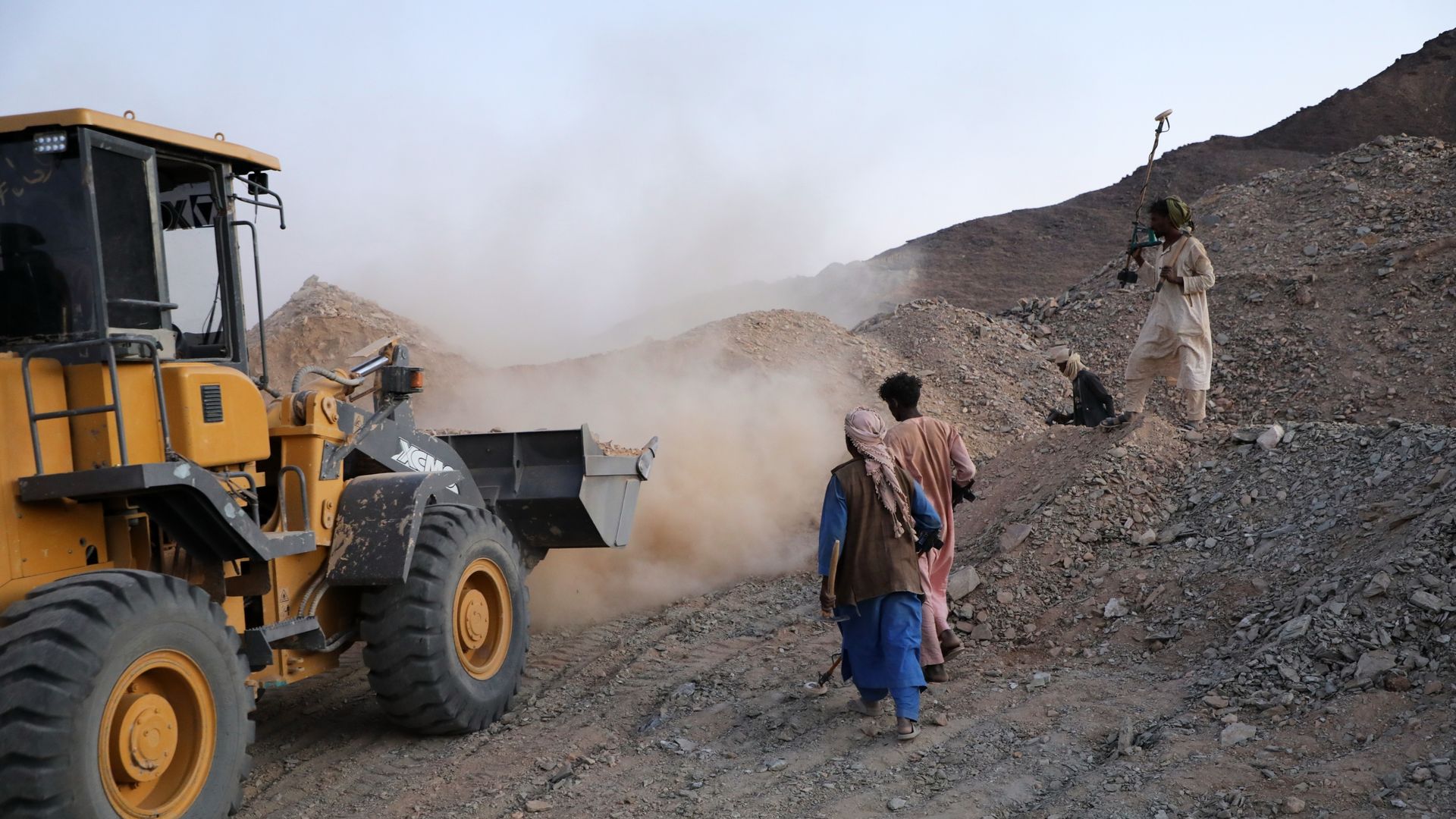
'It's Russian roulette': alarm as Europe backs critical minerals mines in water-stressed regions
The European Commission plans to rewrite the EU's water framework directive to speed up critical minerals mining, despite analysis showing over half of 33 strategic mine projects are in drying and water-stressed regions.
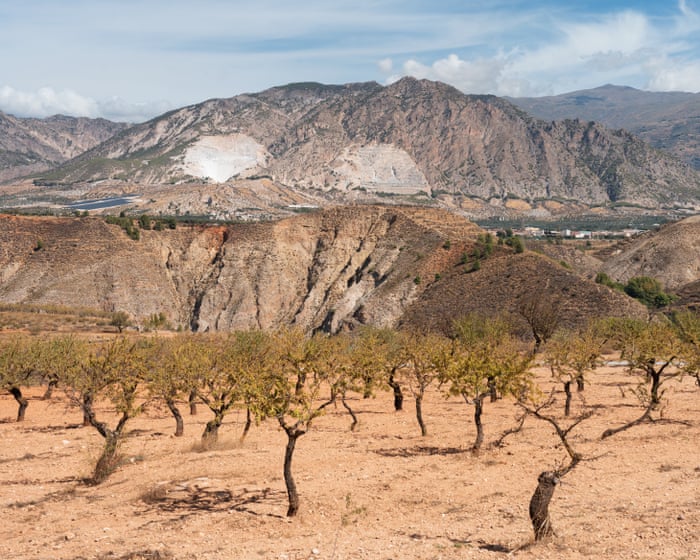
According to analysis by Watershed Investigations shared with the Guardian, more than half of the 33 planned new or expanded mines designated as "strategic projects" under the EU's Critical Raw Materials Act are located in areas that have been drying over the past two decades, based on NASA satellite data. Nearly half are in zones that experienced drought in the last three months, and a quarter are in regions deemed water-stressed.
Six of the strategic mines are planned for highly water-stressed areas in Spain, with others in Portugal and Greece – all three among the top ten EU countries for worst water scarcity. In 2024, Catalonia declared a state of emergency over drought, while in 2022, 96% of Portugal experienced extreme or severe drought.
The European Commission, concerned about import dependence, has designated 47 strategic projects, including 33 mines, to fast-track permitting. It is also preparing to revise the Water Framework Directive (WFD) to remove bottlenecks. The mining industry association Euromines supports the changes, seeking longer deadlines for water quality targets and changes to the "no deterioration" rule.
Environmental groups warn of risks. Sara Johansson of the European Environmental Bureau said the mining industry had "not presented a shred of evidence" that the WFD created bottlenecks. Prof. Kaveh Madani, director of the UN University Institute for Water, Environment and Health, called weakening safeguards "a form of Russian roulette", warning that a single failure could cause irreversible damage.
Several companies disputed the concerns, pointing to environmental assessments, closed-loop water recycling, and regulatory oversight.