EU extends economic sanctions against Russia for one year
The Council of the European Union has extended restrictive measures against Russia for 12 months, until 31 July 2027.
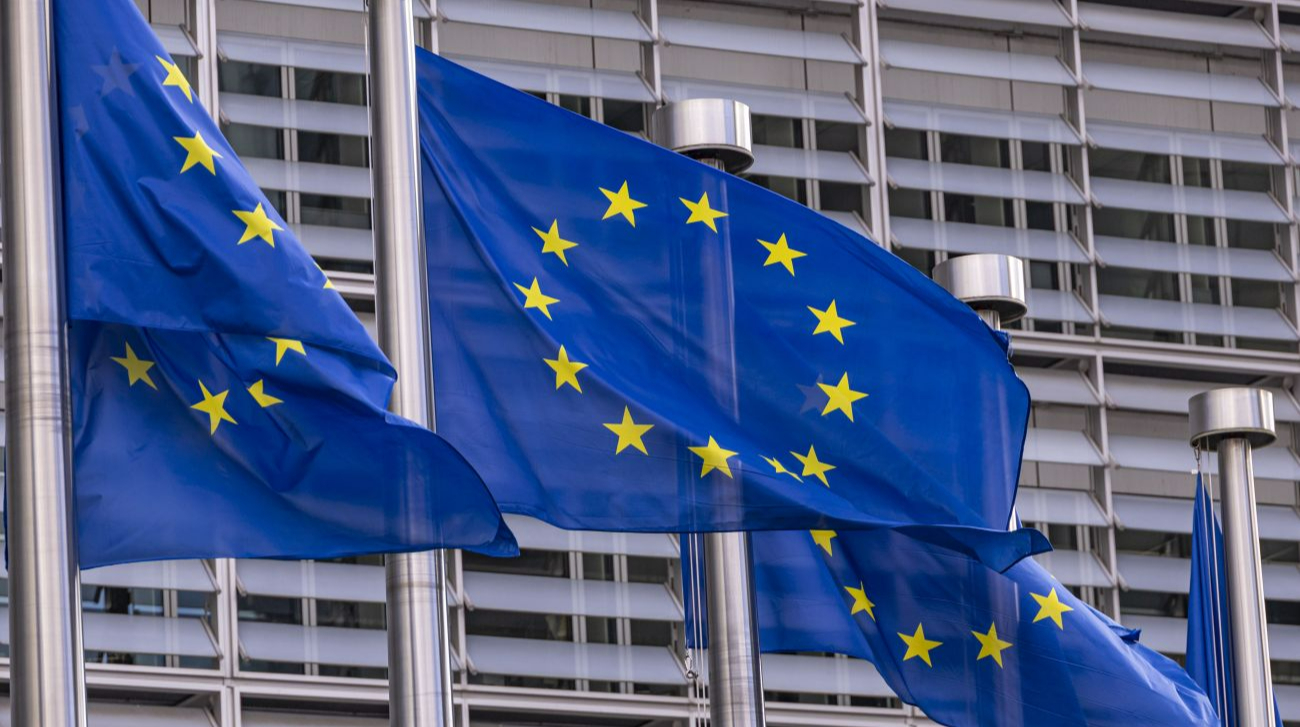
EU extends sanctions against Russia for one year
On 25 June, the Council of the European Union formally extended the EU's restrictive measures against Russia for another 12 months, until 31 July 2027. The decision followed the European Council meeting of 18–19 June, where EU leaders agreed to prolong the sanctions.
These economic measures were first introduced in 2014 and have been significantly expanded since February 2022 in response to Russia's unprovoked and unlawful military aggression against Ukraine. The current measures cover key sectors including trade, finance, energy, and dual-use technology. They also include a ban on the import or maritime transport of Russian crude oil and certain petroleum products to the EU, a ban on transactions with a number of financial institutions and cryptocurrency service providers in Russia and third countries, as well as the suspension of broadcasting activities and licenses of several Kremlin-backed disinformation outlets within the EU.
In addition, specific measures allow the EU to counter sanctions circumvention. The EU will maintain its current measures and is ready to take additional steps as long as Russia continues its unlawful actions and violations of fundamental norms of international law.
Background: It was reported that at the European Council summit on 18 June, EU leaders agreed for the first time since the start of Russian aggression to extend sanctions for 12 months rather than the previous six-month term. The previous six-month term allowed certain capitals, including Budapest, to use it as a bargaining chip. The change became possible after Viktor Orbán's defeat in the Hungarian elections. During Orbán's premiership, Hungary regularly blocked EU sanctions and other decisions, demanding various concessions. Slovakia also occasionally joined in these blockades. Amid work on the EU's 21st Russia sanctions package, opposition has come from Bulgaria over the inclusion of Russian Orthodox Patriarch Kirill on the list.
/nginx/o/2026/05/16/17640921t1h19e4.jpg)