EU countries agree to unlock €6.6 billion in military aid for Ukraine
EU member states agreed on Friday to unfreeze a €6.6 billion European Peace Facility package for Ukraine that had been blocked since spring 2023 due to a Hungarian veto. The deal came after Viktor Orban's election defeat and a change of government in Hungary.
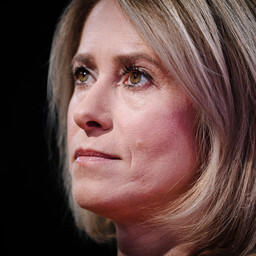
European Union member states reached a political agreement on Friday, September 25, at a Political and Security Committee meeting in Brussels to unblock a €6.6 billion European Peace Facility (EPF) package for Ukraine. EU High Representative for Foreign Affairs Kaja Kallas announced the decision on social media, calling it good news for Ukraine and bad news for Russia. She added that Moscow's hybrid attacks aim to intimidate Europe and force it to cut support for Ukraine, but Europe is doing the opposite.
The European Peace Facility was created to partially reimburse member states for the cost of weapons and ammunition transferred to Ukraine, and in the early years of the war it was considered one of the bloc's key support channels. However, in May 2023 Hungary, then led by Prime Minister Viktor Orban, vetoed the program. Budapest was angered by Kyiv's decision to include OTP Bank, Hungary's largest commercial bank, on a list of so-called international sponsors of the war. That list was closed in 2024 following criticism from Western allies, but Hungary did not lift its veto, causing frustration in other EU capitals. As the deadlock persisted, Brussels launched new support programs while the fund remained frozen.
The situation changed after Orban lost parliamentary elections in April and Prime Minister Peter Magyar came to power. Since then, member states have been negotiating the terms for unlocking the €6.6 billion.
According to Kallas, the agreement reached on Friday splits the package into three parts: €4.7 billion for cost reimbursement, €1 billion for joint military equipment procurement, and €900 million for the EU mission to train Ukraine's armed forces. She said some countries would transfer their share of the €4.7 billion directly to Ukraine but did not name them. Several legislative acts must still be adopted before the funds are actually disbursed.
The announcement comes at a difficult time for Ukraine, which faces a $27 billion (€23.67 billion) shortfall in its defense ministry budget. The European Commission and the International Monetary Fund are negotiating with the Ukrainian government to find a possible solution. On Friday, Ukrainian President Volodymyr Zelensky warned that the budget deficit must be resolved between October and November in order to pay for drone deliveries planned for the first three months of 2027.