eSIM vs. physical SIM card: the pros and cons
Tech outlet Engadget compares eSIMs and traditional SIM cards in mobile phones. Signal quality is the same; the difference lies in activation and transfer, and eSIM needs support from both the phone and the carrier.
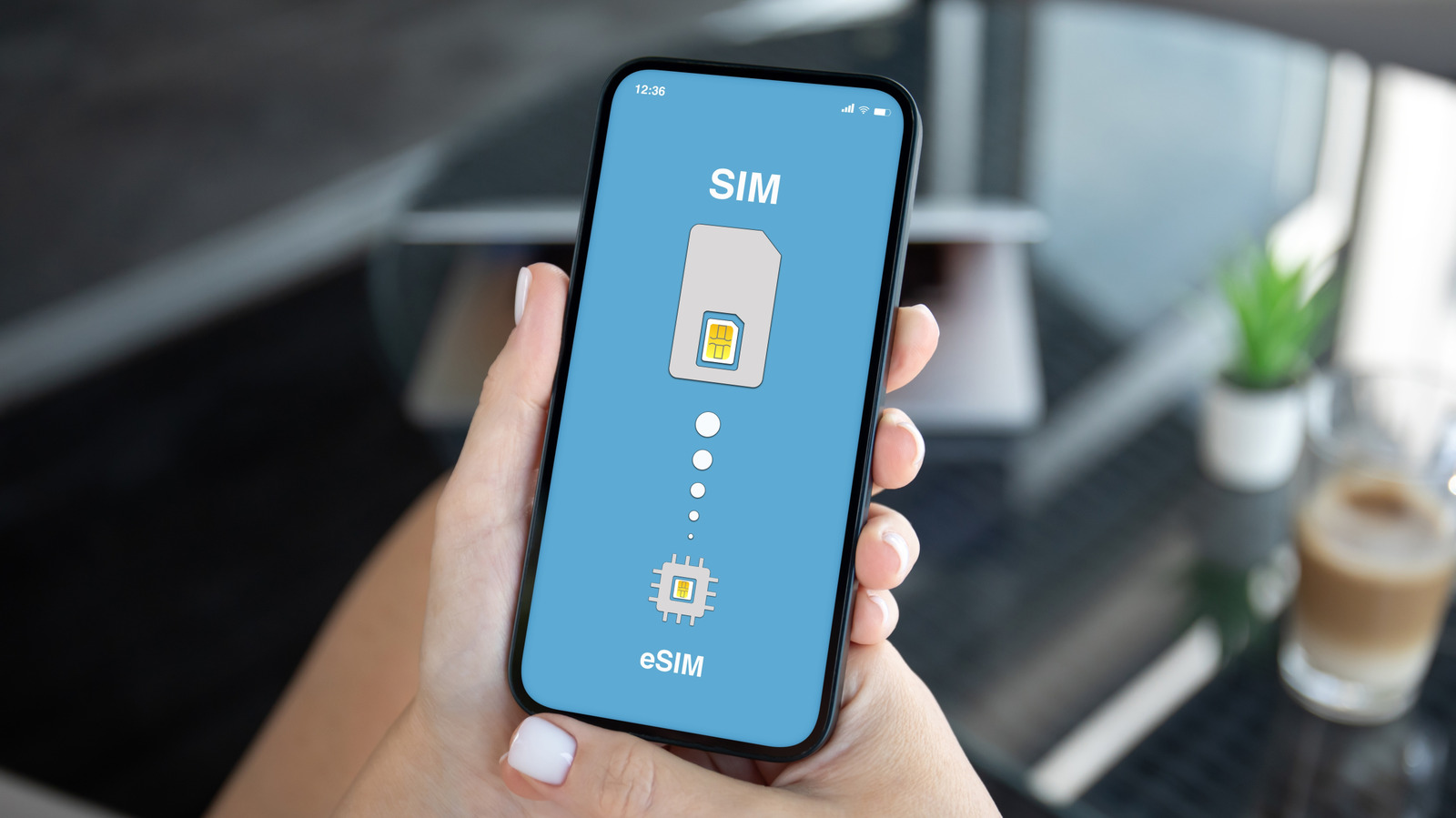
A mobile subscription can run on either a physical SIM card or an eSIM, which is built-in phone hardware that holds a downloadable carrier profile. Tech outlet Engadget has outlined what each option offers users and where eSIM falls short.
No difference in quality
The article stresses that the two options deliver the same reception and data speeds. Both identify the user's subscription on a mobile network; what differs is how service is activated and moved between devices.
Advantages of eSIM
The main benefits are flexibility and convenience. A new phone doesn't require opening a SIM tray or moving a card; a plan can be activated through an app, a QR code or the phone's settings. Compatible devices can store several profiles, making it easier to keep work and personal numbers separate without spare cards.
For travelers, an eSIM lets them buy a travel data plan in advance rather than hunting for a retailer at the destination. Depending on the plan, this can cost less than roaming with a home carrier, and the plan can stay dormant on the phone until the next trip. An eSIM does not guarantee a better deal, though: if a domestic plan already includes international roaming, switching is mostly a waste of time. Manufacturers that drop the SIM slot may also gain room for larger batteries.
Drawbacks
The biggest disadvantage is compatibility and transferring service. Both the phone and the carrier must support eSIM, and support can vary by model and market. An eSIM cannot bypass a carrier lock, so using another provider's plan generally requires an unlocked phone. Some carriers complicate transfers by requiring an app, a replacement QR code or customer service help. Apple's eSIM Quick Transfer moves service between compatible phones without contacting support, and transfers between iPhones and Android phones are improving.
When traveling, users should read the fine print: they may keep their usual number while using the travel plan for data, but the carrier might apply hidden roaming fees. The regular line can be switched off, but it then receives no calls or texts.
Objections to eSIM
Some people value the simplicity of a physical card, which is easy to swap between phones. Physical SIMs also work with older and simpler handsets. Digital activation doesn't remove the risk of account fraud or SIM-swap scams either. If a phone supports both formats, users can combine them, keeping a physical SIM alongside an eSIM line.