Pharmacist explains why you should know your key health indicators
Apotheka pharmacist Ivanda Krastiņa explains that blood pressure, pulse, cholesterol and blood sugar levels reveal important information about the body's condition and cardiovascular disease risk.
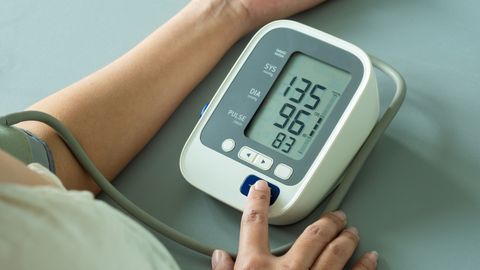
Many people judge their health by how they feel rather than by actual measurements. It's common to hear statements suggesting that blood pressure is usually normal, that sugar levels are only slightly elevated, or that cholesterol is high but the person still feels fine. However, subjective well-being does not always reflect a person's true health status.
Four key indicators
Ivanda Krastiņa, a certified pharmacist at Apotheka, points out that there are four specific numbers that can provide significant insight into the body's condition. These are blood pressure, pulse rate, cholesterol level, and blood glucose (sugar) level. According to the pharmacist, these indicators are closely linked to assessing the risk of cardiovascular disease, including problems affecting the heart and blood vessel system.
Why regular checks matter
The issue often arises because people evaluate these indicators subjectively rather than relying on actual measurements. For example, elevated cholesterol or blood sugar levels may not produce noticeable symptoms for a long time, meaning a person can feel completely healthy even though changes are already occurring in the body that could increase disease risk over time. This is why experts recommend not relying solely on subjective feelings, but instead regularly monitoring these specific health indicators.
Understanding these four indicators allows people to better assess their body's condition and notice potential deviations from normal ranges in time. This, in turn, makes it possible to consult specialists early and reduce the future risk of developing cardiovascular disease.