Fête de la Musique becomes a cultural pilgrimage for the Black diaspora
Paris's Fête de la Musique, launched in 1982 as a free government-backed music initiative, has evolved into a major event drawing the Black diaspora from around the world, especially from the UK.
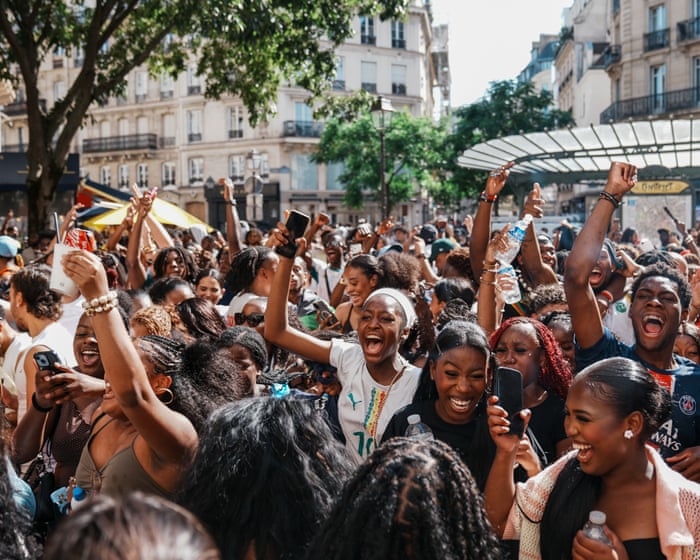
At 4.45pm in Châtelet, central Paris, a man leans out of his third-floor balcony blasting EDM from his speakers. A makeshift cardboard sign strapped to his decks shows his Instagram handle. Friends cheer him from open windows, while a crowd gathers below. This spontaneous, slightly ridiculous and thoroughly alive scene is typical of the Fête de la Musique.
Born in 1982 as a free, nationwide government initiative to encourage people to play music for their neighbours, the Fête has long outgrown its origins. Word of mouth, TikTok and the growing allure of French-language music have propelled it to unplanned heights. Black Francophone culture now forms the heartbeat of the weekend: bouyon, shatta, zouk, French Afrobeats, trap, hip-hop and R&B are the sounds that travel farthest, drawing fresh crowds of Brits, predominantly Black, to Paris every June.
An American who made the trip after seeing TikTok videos explained: "I saw a bunch of videos of Black people in the street having a good time and I was like, where is this? It gave me carnival vibes, Juneteenth vibes. I love being in places where Black people are having fun." The Fête has become a cultural pilgrimage for a global diaspora.
Live sets across Paris feature major Black Francophone artists: Miimii KDS, Tiakola, Kalash, Jeune Morty, Rnboi. Brands have moved in too – Spotify made its first major appearance this year at the Place de la Bastille. Barriers have gone up, and the infrastructure visibly strains under the weight of popularity: tightly packed streets, poorly cordoned roads, cars stranded in crowds. The city struggles to keep pace.
By early evening, a heatwave pushes temperatures to 38°C. Crowds gather in bikini tops and baggy jorts, portable fans in hand. Flags from across the diaspora drape over shoulders – a happy coincidence with the World Cup. Water guns spray from windows into the throng, a welcome intervention from resident hosts.
Step away from branded stages, and the vibe is unique. Thirty minutes of walking brings ten different genres and ten different crowds: older Parisians nodding to French jazz with thin cigarettes and beer, industrial techno booming outside streetwear shops, French trap remixed on every corner, a Haitian block party in a courtyard, a Filipino street party with home-cooked food.
The closest British equivalent is Notting Hill carnival, but the two aren't exactly alike. Carnival was born in the late 1950s to heal racial tensions after riots; Fête carries no such origin. It sprawls across an entire city with no scheduled floats or single neighbourhood.
Criticism that the British influx has diluted the event isn't without basis. French people who grew up with a free, unrestricted Fête naturally feel the shift. Organisers will need to resist too many brands turning the event into a corporate festival. Still, an event drawing over two million people across a city, almost entirely for free, feels like a godsend.