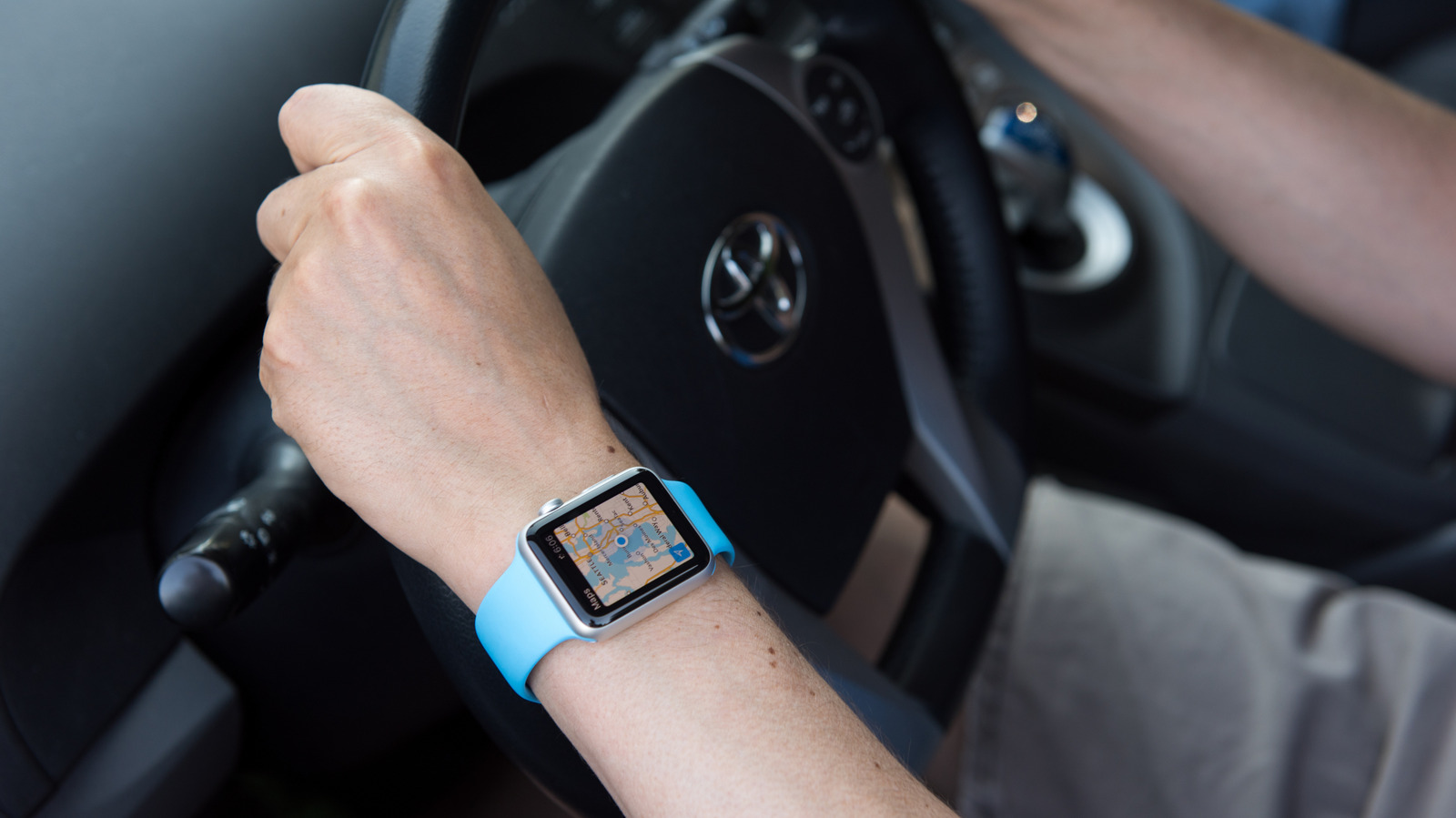
Fitbit Edge battery can be replaced by users, but the process is demanding
Google's new Fitbit Edge fitness tracker has a user-replaceable battery. The swap requires specialized tools and careful work, and there is no official paid service.
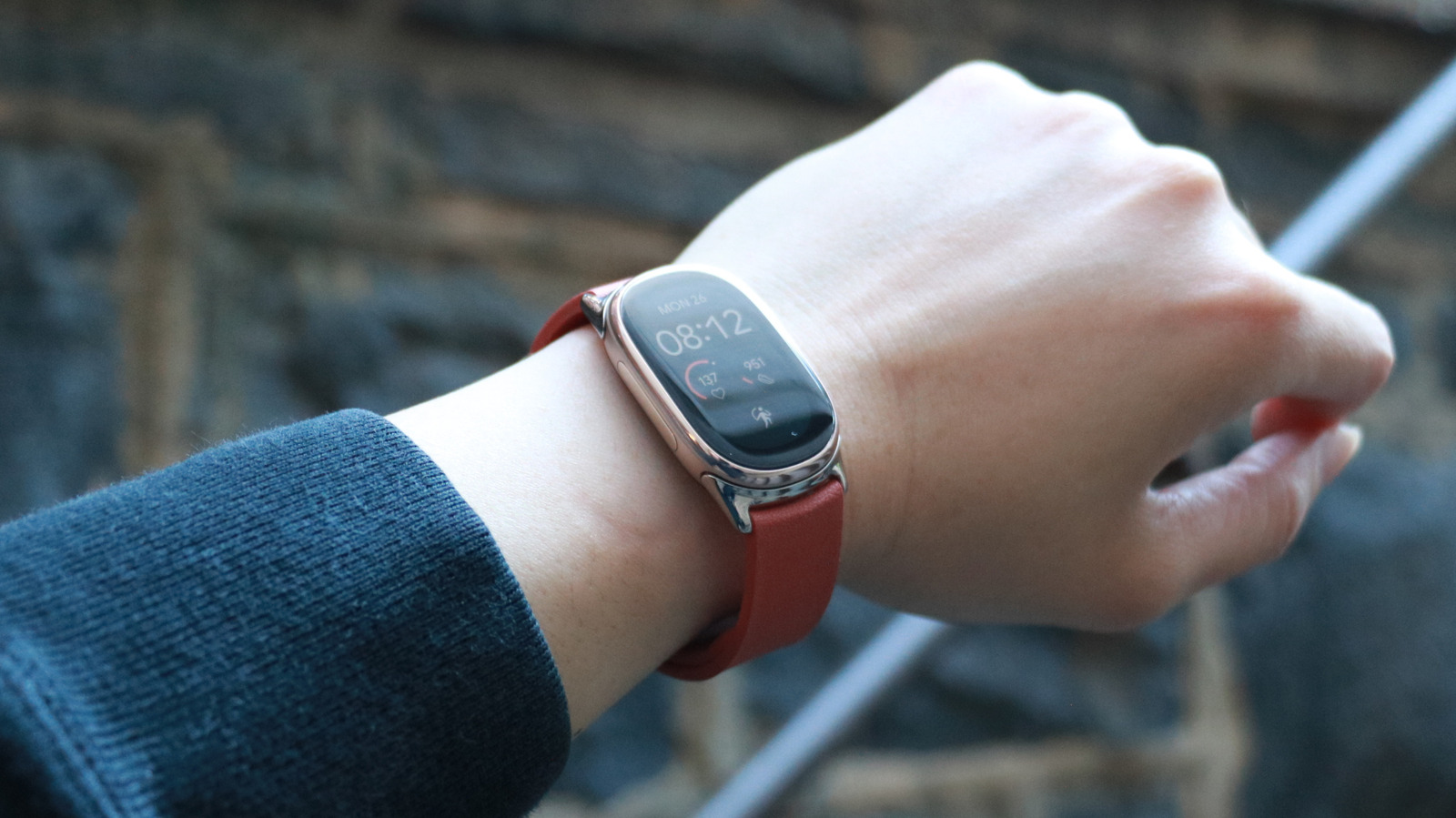
Google has released the Fitbit Edge, a fitness tracker that serves as the successor to the Charge series. It lacks Google Pay and EDA scans for measuring stress. A notable feature is its user-replaceable battery, which in theory allows the device to last indefinitely. The launch followed a brief period of concern that the company was abandoning Fitbit hardware in favor of its Pixel Watch smartwatch.
Batteries in fitness trackers and smartwatches can last for years, but their capacity gradually shrinks until the device becomes unusable. On the Edge, a replacement can prevent that, provided Google keeps supporting the app and compatible batteries remain available.
The swap is not simple
Google's partner for the process is iFixit, the repair resource, which offers a free PDF manual after signing in on its website. Buyers must first purchase a new battery, tools and replacement screws for the surrounding components. iFixit says these replacement parts can be used only once.
The riskiest stage comes after the case is opened. The O-ring, which is needed to keep the device water resistant, can fall out. Tweezers are required, and touching circuits or static discharge could damage the device. iFixit recommends a grounding mat and avoiding clothing that builds up static, such as fleece. The screws and connectors are very small, so the work may be frustrating or impossible for people with unsteady hands.
No official alternatives
Google does not offer a paid replacement service. If a battery is defective and the warranty is still valid, the company may swap it for free or send a new Edge. Third-party parts could appear later, but Google warns that a non-qualified battery and improper disposal may risk fire, explosion, leakage or other hazards. Lithium-ion batteries can ignite if damaged or defective, so even with official parts the old battery should be disposed of in a fireproof container.
Engadget suggests this helps explain why few wearables have adopted replaceable batteries: manufacturers do not want to be responsible for customers' mistakes. It is still unclear how many people will use the option.