Von der Leyen calls for new EU alarm mechanism for security threats
European Commission President Ursula von der Leyen used her annual State of the Union address to call for a NATO-independent EU alarm mechanism to respond to hybrid security threats, and announced plans for a European Security Council.
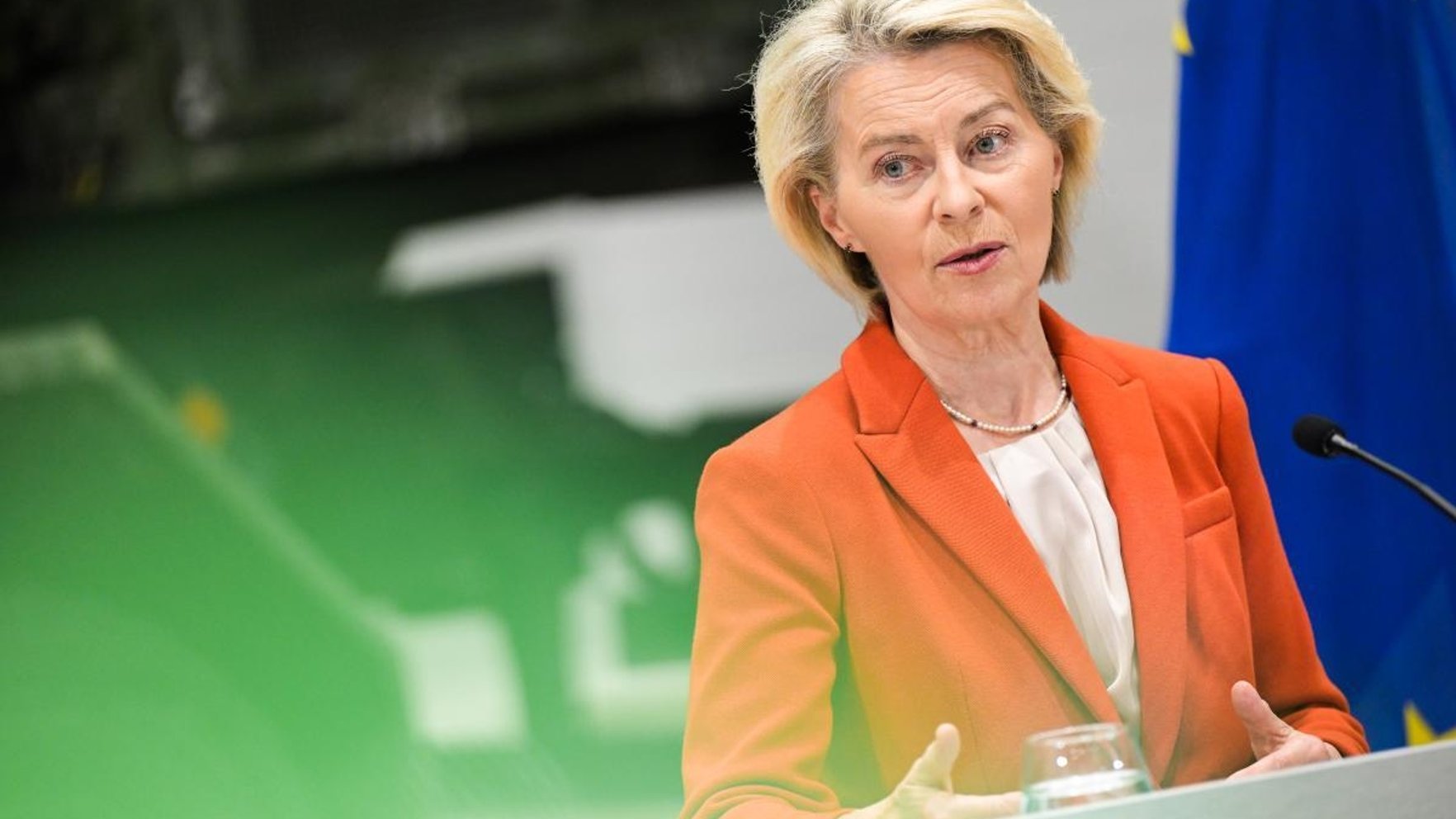
European Commission (EC) President Ursula von der Leyen, speaking on Wednesday at the European Parliament in Strasbourg during her annual State of the European Union address, proposed creating a new alarm mechanism to let member states respond to security threats that fall short of outright armed aggression. She pointed to a rising number of cyberattacks, sabotage, arson and drone incursions.
Under her proposal, the mechanism would operate independently of NATO, and all 27 EU member states would consult one another whenever a country triggers it. The goal would be to prevent further escalation and limit the impact of a given threat. Von der Leyen stressed that Europe urgently needs a shared approach to responding to specific incidents, describing the new tool as a complement to Article 4 of NATO's founding treaty, which allows allies to call an emergency meeting over security incidents that fall short of armed conflict.
She acknowledged that the EU's existing decision-making systems were built for a different era and rely on consensus-seeking and compromise, adding that it must be examined whether they remain fit for purpose today.
New Security Council and closer ties with Canada
Von der Leyen also announced plans to establish a European Security Council, where EU leaders would meet with counterparts from partner countries such as Canada, Norway, Ukraine and the United Kingdom. She further addressed EU-Canada relations, noting that trade between the two has grown 75% in the nearly ten years since the CETA trade agreement took effect. She said the EU and Canada intend to move beyond CETA toward what she called a Future Alliance, covering cooperation on smart manufacturing, technology, defense industry integration, the Arctic, energy and cybersecurity.

