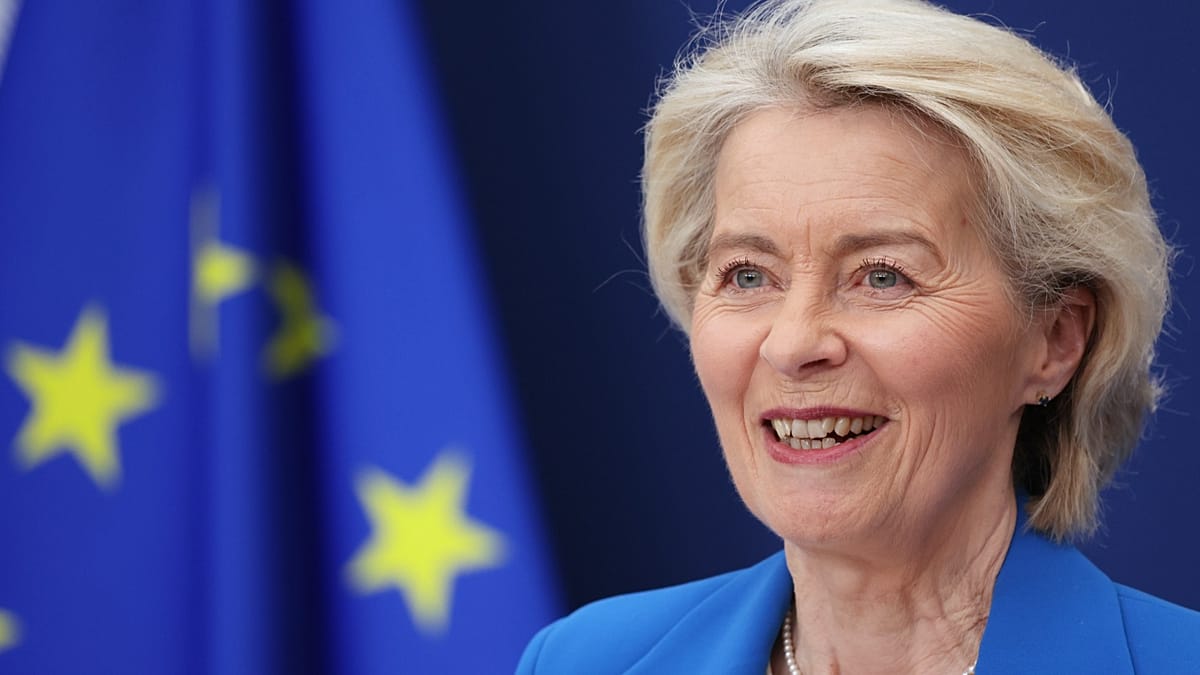
Von der Leyen to visit Azerbaijan and Armenia next week to boost EU engagement
European Commission President Ursula von der Leyen will travel to Baku and Yerevan to strengthen strategic cooperation on energy and the Middle Corridor, against the backdrop of the historic Armenia-Azerbaijan peace agreement.
Visit schedule
European Commission President Ursula von der Leyen is set to visit Azerbaijan and Armenia next week, with stops in Baku on 1 July and then Yerevan, to advance the EU's strategic dialogue with the South Caucasus region. The trip aims to deepen energy cooperation and promote new regional infrastructure projects.
Energy and the Middle Corridor
In Baku, von der Leyen will meet with Azerbaijani President Ilham Aliyev to discuss expanding the country's energy supplies to Europe. This is her first visit to Azerbaijan since 2022, when the EU and Azerbaijan signed a strategic energy partnership. Currently, 16 European countries, including 10 EU member states, receive Azerbaijani gas, with Italy being the top EU importer.
A key area of cooperation is the Middle Corridor, a new trade route connecting Europe and Asia through the South Caucasus. EU investments in the project have already exceeded €80 million, with a target of €2 billion for transport, energy, and digital infrastructure. EU Enlargement Commissioner Marta Kos noted that trade along the route is four times higher than in 2022, but shipping cargo to Europe still takes up to 45 days. The EU aims to cut that to 15 days by improving roads, railways, ports, and border procedures.
Peace and regional cooperation
The visit comes after Armenia and Azerbaijan signed a historic peace agreement ending nearly four decades of conflict over Karabakh. Von der Leyen's trip symbolizes EU engagement within a peace framework rather than confrontation.
Support for Armenia
In Yerevan, von der Leyen will meet with Armenian Prime Minister Nikol Pashinyan. The EU recently announced a support package for Armenia to counter Russian trade restrictions. The European Commission has already disbursed €34 million to Armenia to help the private sector cope with Russian import bans on agricultural products, wine, brandy, and mineral water.