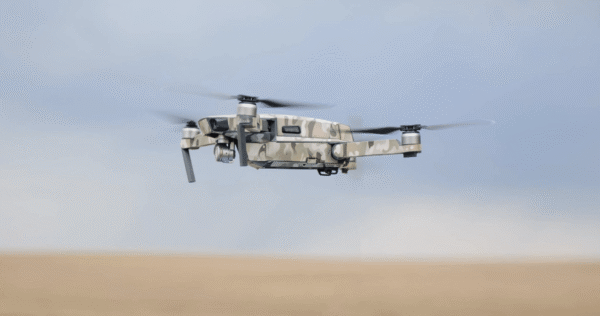
Fort Knox Tests Counter-Drone and Jamming Technologies
The US Defense Innovation Unit and the Army's V Corps spent three days at Fort Knox, Kentucky, testing commercial systems for detecting and disrupting drones. The findings will inform the future development of cyber electromagnetic activities.
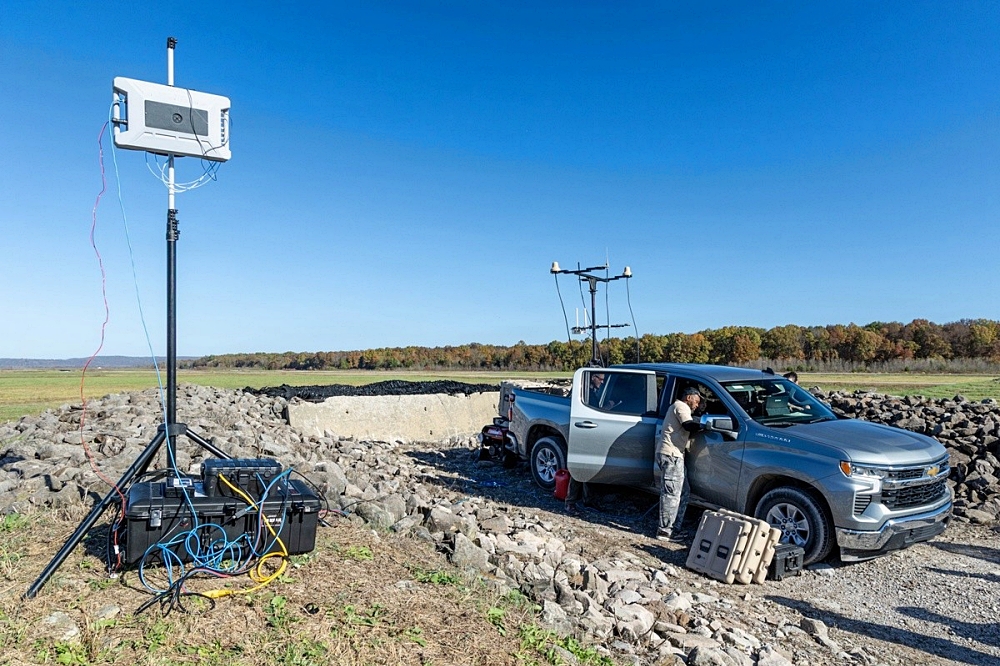
A US Army installation at Fort Knox, Kentucky, hosted a test of new counter-drone technologies from 3 to 5 November. The event was organised jointly by the Defense Innovation OnRamp Hub: Kentucky, a programme of the Defense Innovation Unit, and the Army's V Corps. Its aim was to advance US capabilities against unmanned aircraft systems (UAS).
The exercise, called Independent Verification and Validation 27-1: Spectrum Proof, took place at Yano Range. It is one of only two Digital Air-Ground Integration Ranges in the country.
What was tested
Over three days of demonstrations, 15 commercial technology providers deployed systems for electromagnetic support and attack. They showed how their products can detect and disrupt unmanned aircraft under contested conditions. Subject matter experts, drawing on V Corps' tactical expertise, tested the technologies against realistic modern battlefield scenarios.
Why Fort Knox
Sgt. 1st Class Michael Tobin, the noncommissioned officer in charge of the event, said that assessing intense radio-frequency jamming and drone tracking requires large spaces and specialised infrastructure. According to him, Yano Range allowed high-density electronic signals to be used safely without disrupting external communications.
Tobin described the exercise as a significant step in Fort Knox's shift from a traditional training installation to a location for high-intensity, multidomain warfare instruction. He also said the military is moving away from purely incremental upgrades and toward staying ahead of a constantly changing environment.
What comes next
After the operational runs and a distinguished visitor demonstration day, evaluators compiled after-action review packages. Their findings will give senior defence leaders data to guide the future development of Cyber Electromagnetic Activities.