FT: War fatigue growing in Russia, Putin's trust rating hits lowest since invasion
The Financial Times reports increasing war fatigue among Russians and a drop in Putin's trust rating to 69%, the lowest since 2022. Experts say Putin's refusal to compromise and the rebranding of United Russia as the 'president's party' indicate his growing isolation and living in a parallel reality.
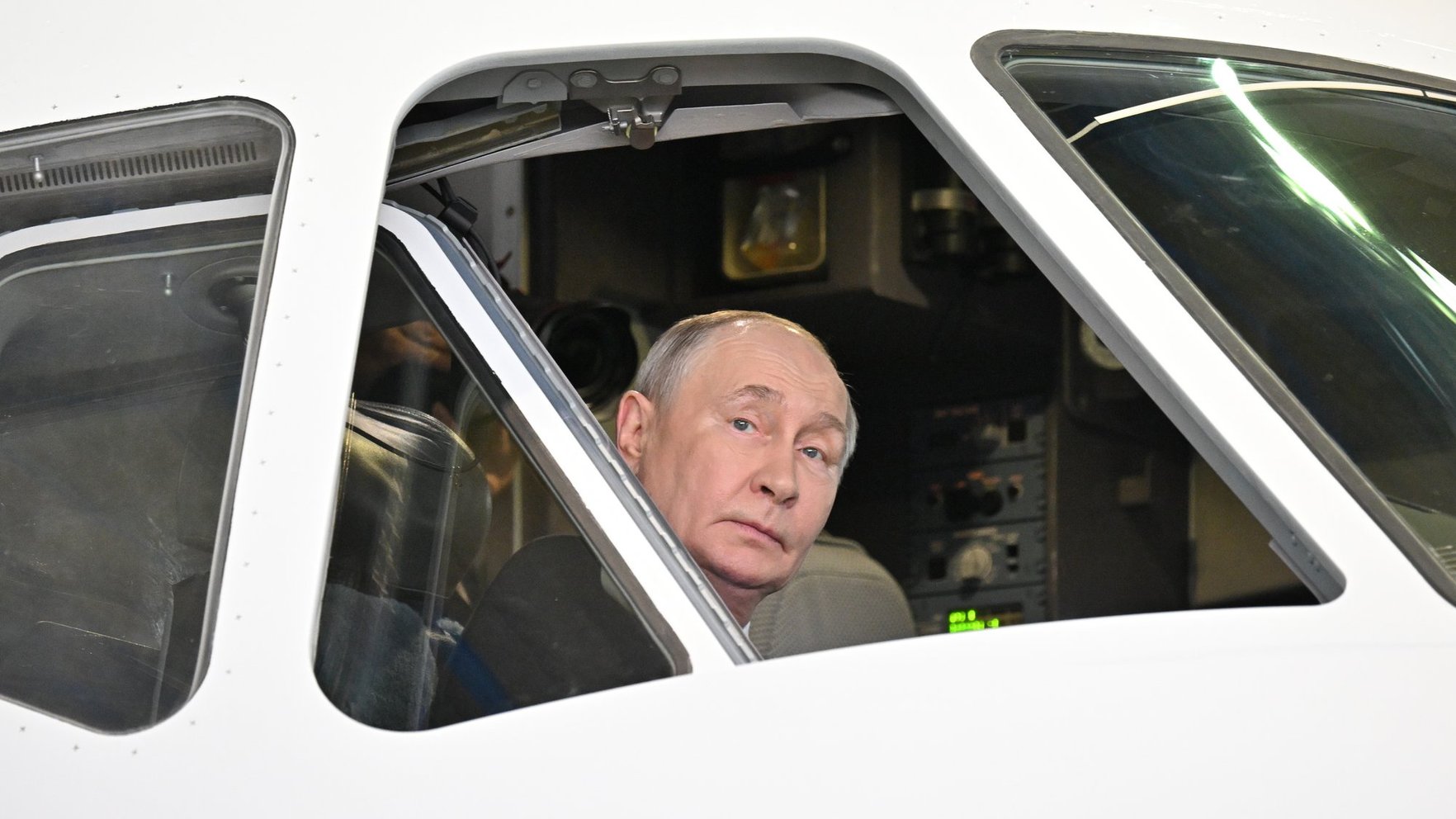
According to the Financial Times, Russian President Vladimir Putin's persistent claims of victory in the war against Ukraine are increasingly irritating Russian citizens. Poll results published on Friday show trust in Putin has fallen to 69%, the lowest level since the start of the full-scale invasion in February 2022.
Political scientist Andrei Kolesnikov told FT that Putin's attempts to reassure the public sound like a mantra, as if he is trying to convince himself that everything is fine. Kolesnikov emphasizes that by rejecting Ukraine's ceasefire offer, Putin demonstrates a complete refusal of a peaceful solution. "It's a bad sign – he will not concede on anything, even if it harms him. He is full of resentment and determination to fight by any means," the expert said.
Meanwhile, ordinary Russians are increasingly tired of the war, with fatigue turning into anger as they face internet restrictions and difficulties buying fuel. FT highlights an unusual Kremlin move to more closely link Putin with the ruling United Russia party. At a party congress on January 28, the party called itself the 'president's party' for the first time since 2007.
Ivan Filipov, who is writing a book on the pro-war blogger community, assesses that this strategy shift indicates Putin's growing isolation. He points to a hypothetical scenario in 2026: a stalemated front, the state queuing for petrol, daily missile and drone strikes on oil refineries and arms factories, and Crimea almost an island. "In such conditions, making Putin the face of the most unpopular sinking party in the country – that is an inexplicable decision that could only be made by someone living in a parallel reality," Filipov concludes.
Recall that Russia's full-scale invasion of Ukraine began on February 24, 2022, with the broader war lasting since 2014 when Russia annexed Crimea and started hostilities in Donbas.