FT: Russia's Nuclear Threats Deter the West Less, Creating New Risks
According to the Financial Times, the deterrent effect of Russia's nuclear arsenal is weakening as the West pays less heed to Moscow's rhetoric. The paper warns this could encourage hybrid warfare and raise the likelihood of conventional conflict.
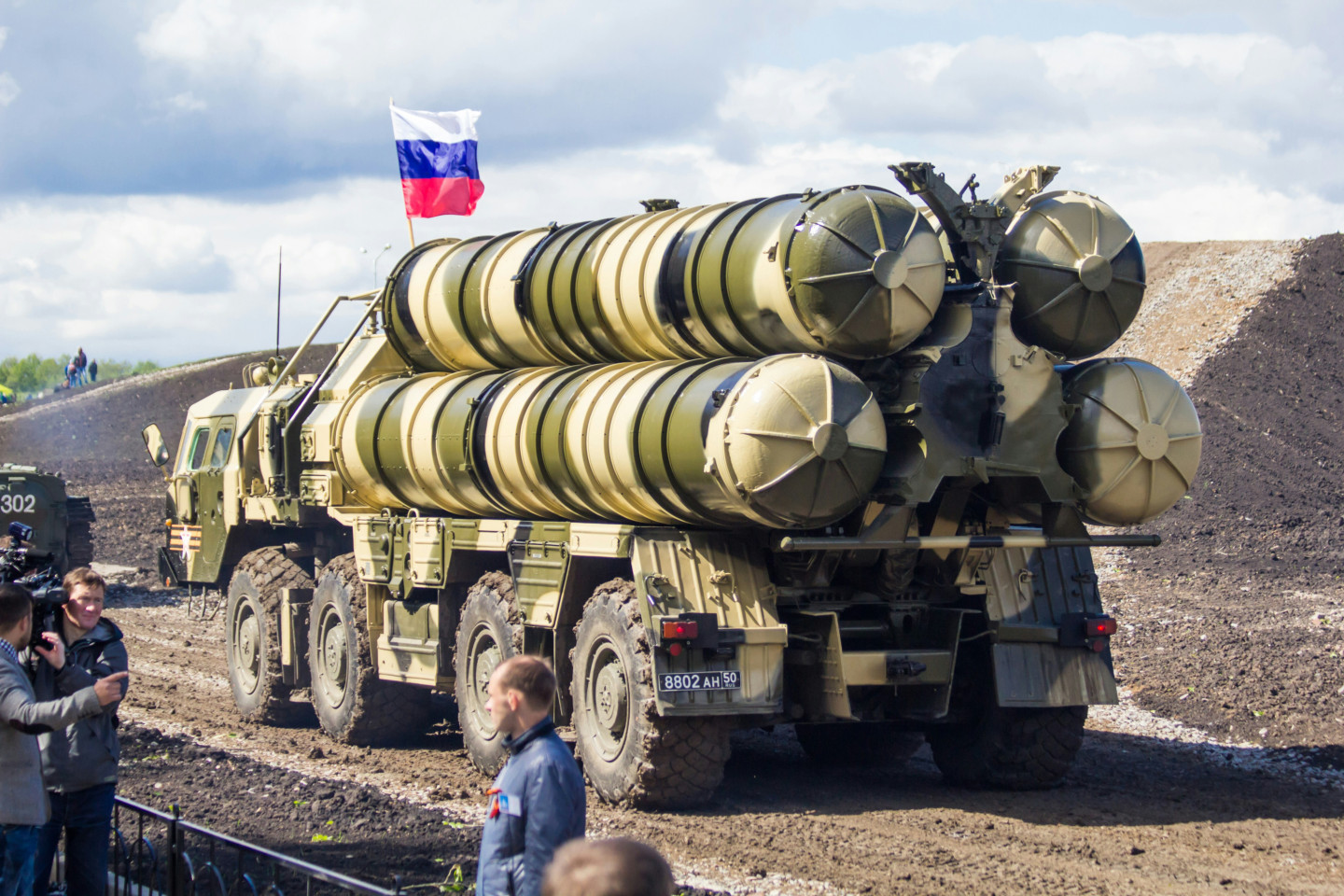
Russian nuclear threats are having less and less influence on Western decisions, and the Kremlin's ability to use its atomic arsenal as a deterrent is gradually eroding. The Financial Times argues, however, that this is not as reassuring as it might appear.
New statements on Kaliningrad
Russia holds the world's largest nuclear arsenal and regularly reminds its adversaries of it. Moscow recently told NATO that it is prepared to use all available forces and means, nuclear weapons included, to defend its territory. The Kremlin linked the warning to possible threats against Kaliningrad, a Russian exclave between Poland and Lithuania. On 1 October, Vladimir Putin personally stated that if Kaliningrad were attacked, Russia would use "all weapons at its disposal". He also acknowledged that the United Kingdom and France possess nuclear weapons, but claimed that Russia's arsenal is unrivalled in size.
Why deterrence is fading
The newspaper notes that a few years ago such remarks would inevitably have triggered a broad international response, whereas Western countries now react more calmly. In its view, the reason is that Moscow has too often used nuclear threats to intimidate the West since its full-scale invasion of Ukraine in 2022. At first the tactic worked, and the United States and its allies were cautious about supplying Ukraine with advanced weapons. Later, however, it became clear that the international taboo against using nuclear weapons remains very strong: China and India warned Russia against a nuclear strike, and the US is believed to have threatened direct involvement in the war. As a result, Kyiv received tanks, fighter jets and long-range missiles. Another telling example was Operation Spiderweb in 2025, when Ukraine used drones to hit Russian strategic bombers, yet Moscow refrained from a nuclear response.
Rose Gottemoeller, a former NATO deputy secretary general, concluded: "Nuclear deterrence does not work." She notes that Iran attacked Israel knowing it has nuclear weapons, and that India and Pakistan struck each other's territory despite both being nuclear-armed.
Possible consequences
The Financial Times warns that Russia may try to restore deterrence by other means, including hybrid warfare, sabotage, assassinations and drone incursions into European airspace. A further risk is that conventional war becomes more plausible: if potential adversaries of the US conclude that Washington is unwilling to use nuclear weapons to defend its allies, they may resort to conventional aggression.