A Year Under Stricter Alcohol Rules: Retailers See Shifts in Consumer Habits
One year has passed since Latvia introduced tighter alcohol sales restrictions. Retailers report falling alcohol consumption and rising demand for non-alcoholic alternatives.
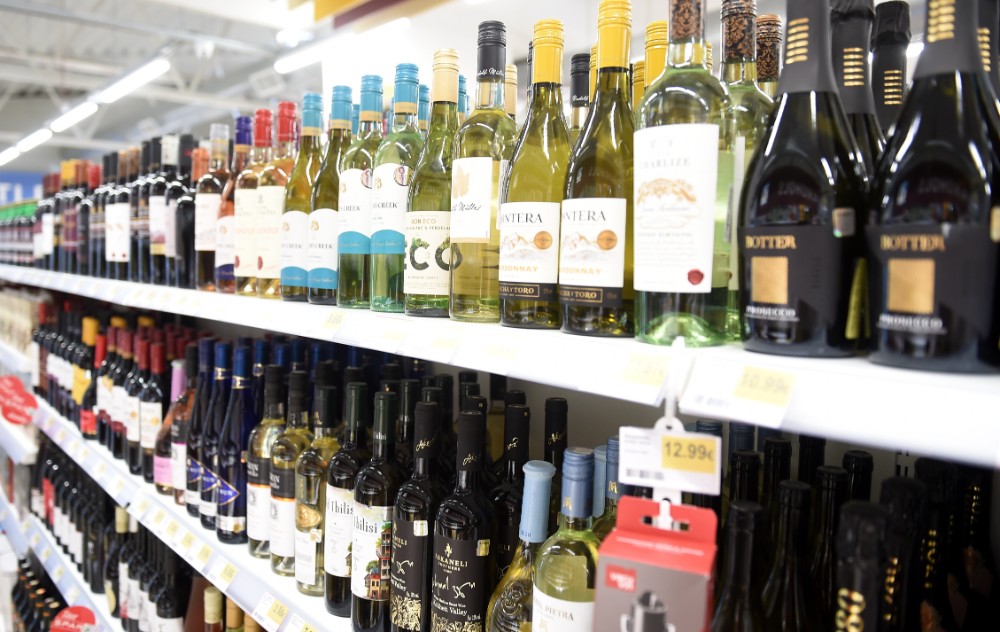
One year has passed since Latvia introduced tighter restrictions on alcohol sales. From 1 August last year, shops have been allowed to sell takeaway alcohol only between 10:00 and 20:00 on weekdays and Saturdays, and between 10:00 and 18:00 on Sundays. Previously, alcohol could be sold until 22:00. The new rules do not apply to duty-free shops.
Restrictions also cover marketing. Advertising discounts and special offers for alcoholic drinks is banned, as are multi-item packages whose pricing encourages cheaper alcohol purchases. The Health Ministry said the measures were aimed at cutting alcohol consumption and were based on international evidence and practices used elsewhere.
Retailers have noticed changes during the year. Maxima Latvija reports that alcohol consumption continues to fall, while demand for non-alcoholic beverages is rising. Customers are increasingly choosing non-alcoholic beer, soft drinks and vitamin-fortified functional waters. Lidl Latvija has also seen growing demand for non-alcoholic beer and cider, and is expanding its range with products such as alcohol-free beer cocktails.
Rimi says shoppers have adapted and often plan their purchases around the permitted trading hours, though the overall shopping flow has not changed significantly. Rimi data show that alcohol demand in June this year was down 6% compared with June last year, while demand for all non-alcoholic beverages rose 150%. In the first five months, the number of alcoholic beer units sold fell by 8%, while non-alcoholic beer sales increased by 26%. The sharpest decline in alcohol consumption was recorded among adults aged 18 to 35; the same group showed growing interest in lower-alcohol and sweeter drinks such as ready cocktails, liqueurs and fruit wines.
Some public figures have remained sceptical. Riga City Council deputy Andrejs Klementjevs argued that repressive methods are ineffective and could have unintended consequences, including higher demand for cheap colognes and more hospital admissions due to poisoning.