30-Meter Protective Zone Established Along State Border: New Restrictions for Landowners
Starting July 3, amendments to the Law on Protective Zones introduce a 30-meter protective zone along the state border, imposing restrictions on construction, logging, and requiring Ministry of Defence approval for property transactions.
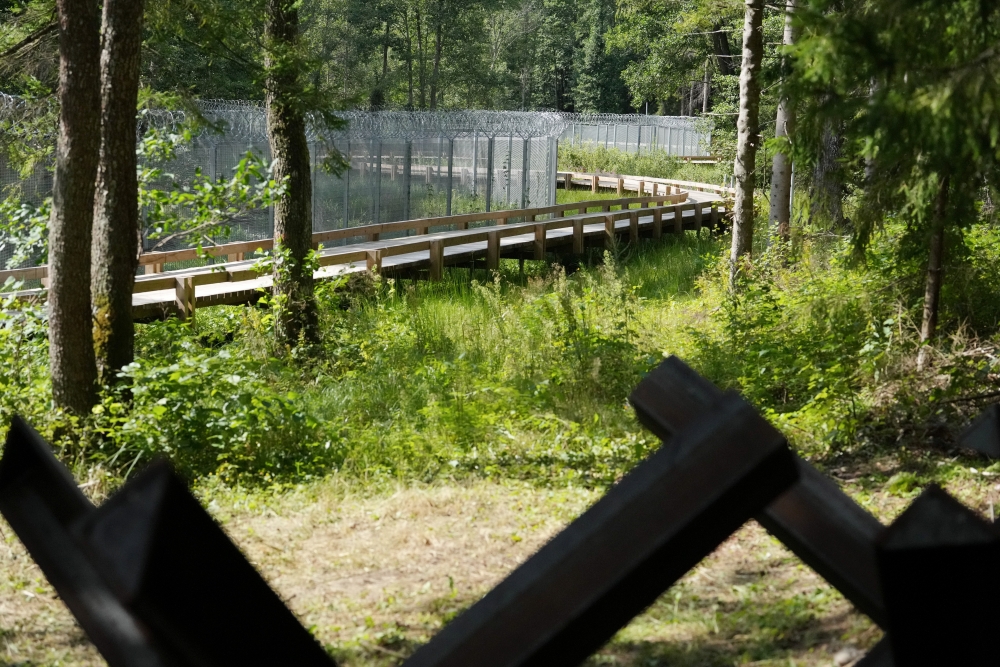
Amendments to the Law on Protective Zones, effective July 3, add a new type of protective zone – a 30-meter zone along the state border. This zone is measured from the edge of the state border strip or the patrol strip that does not adjoin the border marker surveillance strip. Its purpose is to ensure the safety and operation of infrastructure necessary for the protection of the external land border, including fences and technological systems.
The new zone imposes several restrictions on landowners. Clear-cutting is prohibited without coordination with the Ministry of Defence (MoD). Additionally, when selling or otherwise transferring a property or part of it that lies wholly or partially within the protective zone, the owner must obtain MoD consent to prevent threats to national security. Transactions without such consent are void and will not be registered in the Land Register.
Landowners are required to maintain the protective zone, including pruning or felling trees that could fall onto border infrastructure. Criteria for potentially dangerous trees include a lean of more than 15 degrees from vertical, visible rot, an asymmetrical crown, or beaver damage. If owners fail to perform necessary work, the State Border Guard may contract service providers.
According to the amendment annotation, over 160 damage incidents caused by falling trees and branches were recorded in 2024, and the new regulations aim to mitigate such risks. The exact number of land units within the protective zone is not yet known, but preliminary data indicate 262 forest properties along the Russian border that could potentially threaten the infrastructure.

/nginx/o/2022/02/07/14352279t1h9fb2.jpg)