Geologist: Europe already shows early signs of mass extinction-like events
Vilnius University professor Andrejs Spiridonovs says increasingly frequent and destructive wildfires across Europe resemble patterns seen before ancient mass extinctions, while several countries also report mass fish die-offs.
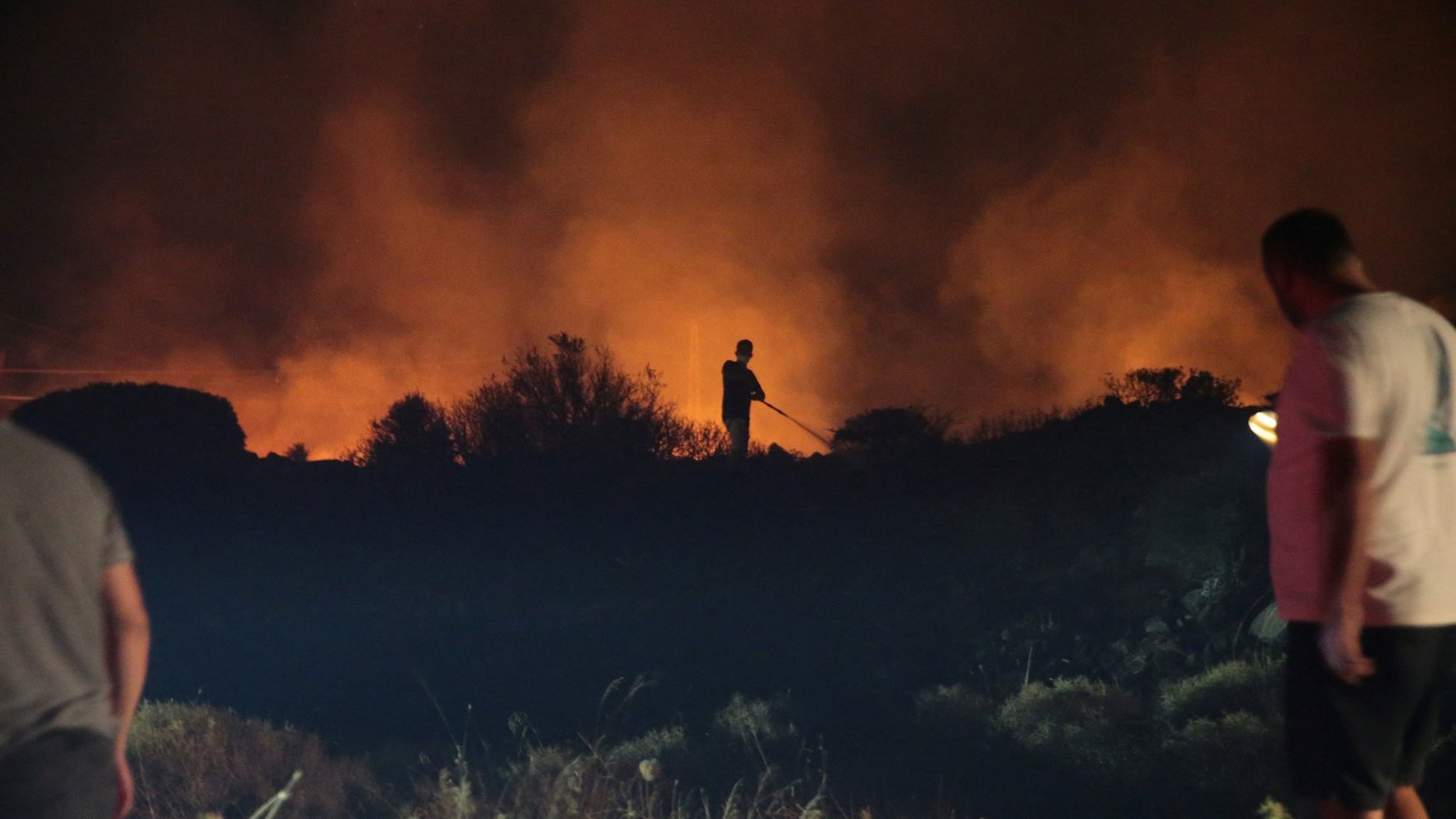
Andrejs Spiridonovs, a professor of geology and paleontology at Vilnius University, says recent events in Europe echo patterns from ancient geological periods linked to mass species extinctions. As historical examples, he points to episodes millions of years ago when severe wildfires accompanied major natural upheavals — from the breakup of the Pangaea supercontinent to the asteroid impact that wiped out most dinosaurs.
This July, southern Norway experienced the most destructive wildfire in populated areas in the country's history, destroying more than 100 homes. It was driven by prolonged drought, heat and strong winds that gripped Western Europe over the summer. At the same time, Norway's freshwater lakes have been suffering mass fish die-offs, as warming waters trigger blooms of microscopic algae that consume oxygen.
Fires spreading further
In early August, large fires broke out in nature reserves in the Netherlands and Belgium, while vast areas burned in France, Greece and Italy during midsummer. In Portugal and Spain, uncontrollable wildfires that destroy forests and accelerate desertification have already become a routine occurrence.
A study published in the journal Nature Ecology and Evolution found that the likelihood of large-scale wildfires has doubled over the past twenty years, while in northern coniferous forests the probability has risen six- to sevenfold over the same period. Such fires release more energy than the atomic bomb dropped on Hiroshima — sometimes hundreds or even thousands of times more — enough to alter local weather conditions.