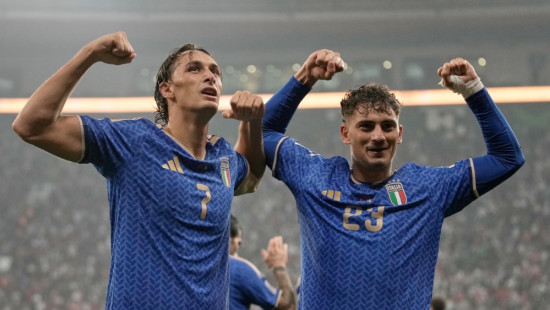
Glasgow's Commonwealth Games deliver joy, but future questions remain
Glasgow has wrapped up an 11-day Commonwealth Games that organisers say exceeded expectations, yet lower ticket sales and patchy UK coverage leave doubts about the event's future. The next edition is set for Ahmedabad in 2030 with a larger budget and more sports.
The Commonwealth Games in Glasgow have come to a close after 11 days that organisers say have "exceeded all expectations" – a notable outcome given the event was assembled after Victoria withdrew in 2023. The Scottish city answered the call, and the atmosphere inside venues was largely celebratory.
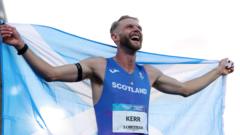
Ticket sales reached 434,000, well below the 1.5 million seen in Birmingham in 2022, but that was expected with smaller venues for this scaled-down edition. Still, it was rare to enter a venue without finding a joyful, engaged crowd. Highlights included Josh Kerr's golden homecoming at Scotstoun, Angharad Evans making the swimming pool floors shake, and Neil Fachie's emotional victory on his return to the Sir Chris Hoy Velodrome. Jamaica's seismic netball win over Australia also provided a major thrill.
Yet a nagging question persisted: was anyone else watching? Big names such as Kerr and Adam Ramsay-Peaty broke out of the Glaswegian bubble, but otherwise the Games often drifted by without the same UK television coverage. Organisers noted that their social media views surpassed Birmingham's within the first few days, and they pointed to record television audiences in Australia and New Zealand, where the Games were free-to-air.
The event was also affected by the absence or late withdrawal of big-name athletes, particularly in athletics, with Keely Hodgkinson, Katarina Johnson-Thompson and Dina Asher-Smith missing. The varying relevance of the Games across sports was clear – for netball it remains the pinnacle, while for others it is a stepping stone. Many storylines focused on the "next generation," including 18-year-old Jersey swimmer Filip Nowacki, Welsh gymnast Ruby Evans, Scottish gymnast Reuben Ward, and England track cyclist Henry Hobbs, who won two golds and a bronze.
Attention now turns to the future. The 2030 Games in Ahmedabad are moving to October, which will free athletics from a clash with the European Championships but extend the season and force athletes to make different choices. The event is seen as a step towards India hosting the Olympics and Paralympics, possibly in the same city. The main venue will be the 120,000-seater cricket stadium named after Prime Minister Narendra Modi. Costs are expected to rise – the budget for Ahmedabad is almost double Glasgow's £160m, though Glasgow's own costs were slashed from an initial £800m. The number of sports will increase from 10 to 17, with cricket, shooting, archery and hockey reportedly set to return.
Despite financial and logistical challenges, sports, nations and thousands of athletes still want to be part of the Games. Australian runner Rose Davies said she always looked up to the Commonwealth Games and wanted to compete there. Tuvalu's Tarona Taafaki, after winning her country's first Commonwealth medal, said it was just the beginning of what Tuvalu can achieve. If that drive remains, so does hope for the future.