Glengarry Glen Ross review: gender-swapped cast fails to close the deal at the Old Vic
David Mamet’s all-female production of his classic play about capitalism and masculinity lacks the original’s darkness, focusing instead on parody and high-energy performance that becomes tonally flattening.
A new take on Mamet's classic
David Mamet’s drama “Glengarry Glen Ross” is a masterful portrait of 1980s caveman capitalism, focusing on fast-talking Chicago real estate salesmen. Surprisingly, the idea for an all-female production came from Mamet himself.
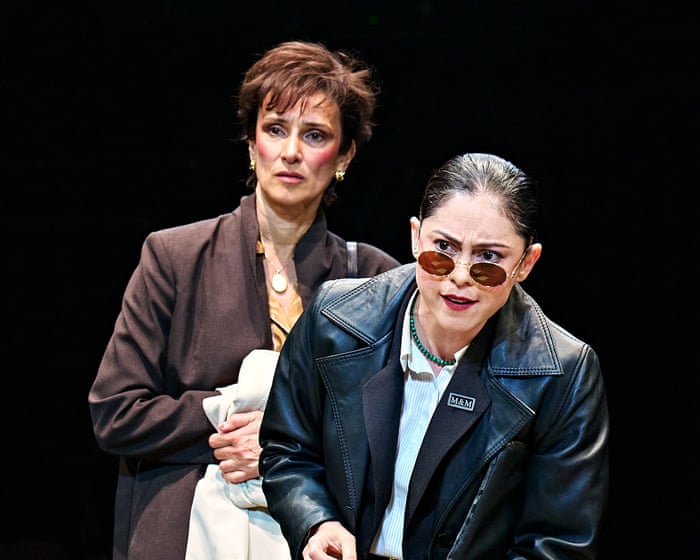
Patrick Marber, who directed last year’s all-male Broadway revival, returns for this gender-swapped staging. The costumes – trouser suits, skirts, and high heels – create distance between character and actor, emphasizing that the cast is “performing” masculinity.
Acting and tone
Indira Varma plays Levene, the older salesman on a losing streak, as an angry, shouting figure without the tragic dimensions Jack Lemmon brought to the role in the 1992 film. Rosa Salazar’s Roma is the highlight – a smooth wheeler-dealer who demands no empathy. Other salesmen, like the meek Aaronow (Nancy Crane) and chippy Moss (Niky Wardley), are less defined. Williamson (Dorothea Myer-Bennett) is a quiet controller with little menace.
Missing darkness
While the production is humorous, it loses the dark comedy of the original. The high energy and volume become relentless and tonally flattening. The focus is on mocking masculinity rather than critiquing capitalism or exploring gender dynamics.
Marber’s production doesn’t contemporize the corporate world, though series like “Industry” show women capable of aggressive power plays. The review questions why these women play at being men rather than performing as female versions of Mamet’s capitalists, especially in the era of Margaret Thatcher.
The gender reversal’s purpose feels unresolved. The production runs at the Old Vic, London, until 18 July.