GNSS vs GPS: What Separates the Two Satellite Navigation Terms
GPS is just one of several global satellite navigation systems, while GNSS is the umbrella term for all of them. Smartphones typically use multiple systems, along with Wi-Fi, cell networks and motion sensors.
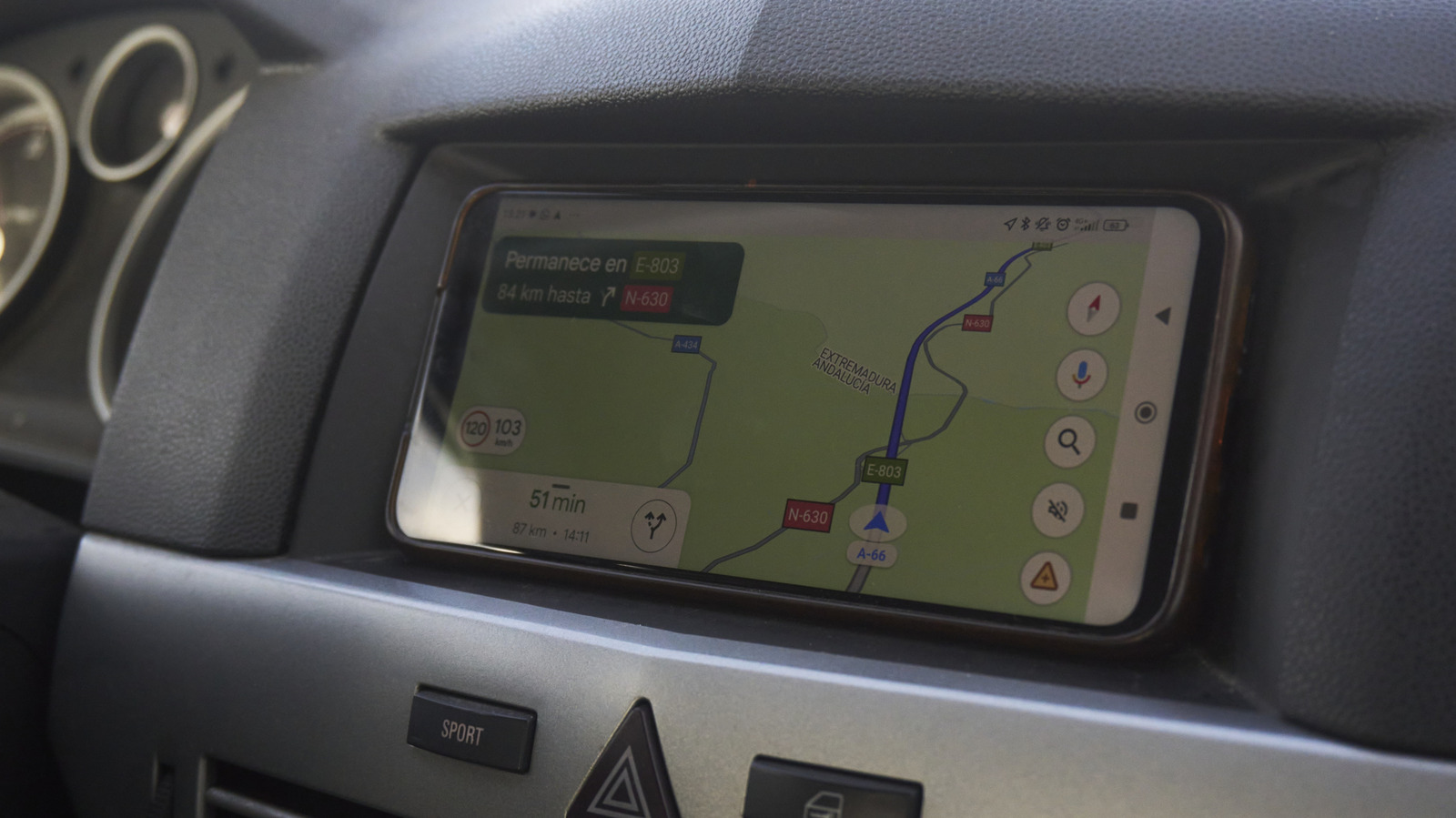
Tech outlet Engadget has explained the difference between two terms that are often mixed up: GPS and GNSS. The distinction matters for anyone who uses a smartphone, car navigation or other device that determines location.
GNSS stands for Global Navigation Satellite System, a broad term covering any satellite navigation system. GPS is only one of them: the satellite navigation system of the United States.
Other systems
The major GNSS constellations also include Russia's GLONASS, the European Union's Galileo, India's NavIC and China's BeiDou. Japan's QZSS supplements navigation systems in its own region. The names show who operates each system, not where it can be used: GPS works worldwide, as do the Russian, EU and Chinese systems.
People often say "GPS" for any satellite-based location service because it became the best-known term. If a device's specification sheet says it is GNSS-capable, it may be able to use more than US GPS satellites.
Smartphones and maps
Most modern smartphones contain a multi-constellation GNSS receiver. Access to more satellites gives more reliable positioning, especially where buildings, trees or terrain block signals. One example is the iPhone 17, whose specifications list "precision dual-frequency GPS" while supporting all of the systems above.
Phones also draw on other sources. Android's Location Accuracy service combines satellite data with nearby Wi-Fi networks, cell towers and built-in motion sensors. Google Maps likewise uses GPS or other GNSS systems, while Wi-Fi and cellular signals help refine the position when satellite reception is weak. That is why the app can locate a user inside a grocery store.
When leaving a building, the position may take an extra second or two to update, because the phone has to reacquire and verify satellite signals.
Engadget concludes that GPS remains the most familiar term, but GNSS is the more accurate one for the technology in smartphones, cars, drones and navigation devices. Most devices use a combination of systems.