Google-backed wildfire detection satellites launch as smoke chokes US and Canada
Three operational FireSat satellites launched on July 7, 2026, can spot fires as small as 5x5 meters. The constellation aims to provide hourly global coverage by 2029, with early adopters including agencies in the US, Australia, and Europe.
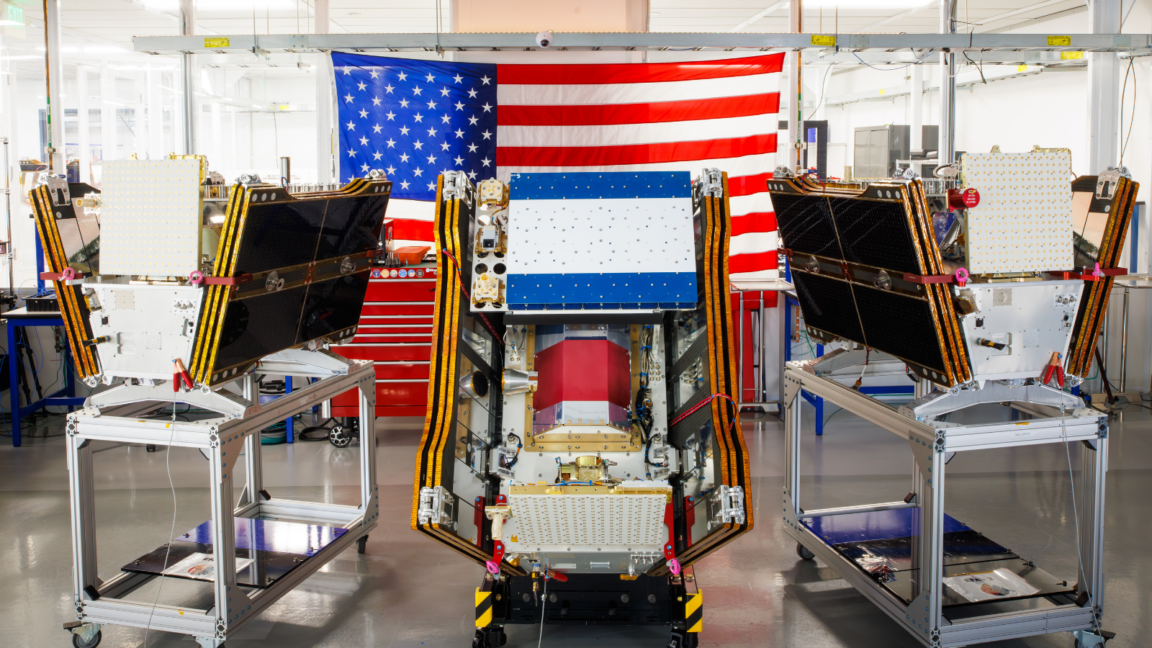
FireSat Satellites Reach Orbit
The first three operational satellites of the FireSat constellation, backed by Google and built by Muon Space, successfully launched aboard a SpaceX Falcon 9 rocket from Vandenberg Space Force Base in California on July 7, 2026. This marks the start of initial operational capability for the nonprofit Earth Fire Alliance's purpose-built wildfire detection network.
Capabilities and Technology
Each microsatellite is equipped with multispectral imaging that can see through smoke and clouds, detecting fires as small as 5 by 5 meters (about 16x16 feet). This capability was validated by a FireSat Protoflight satellite launched in March 2025, which captured over one million images and spotted low-intensity blazes invisible to existing satellites. Google has contributed over $15 million to the program, with additional $26 million from the Bezos Earth Fund.
Early Adopters and Future Plans
Fire agencies in California, Colorado, Australia, and Portugal will begin using FireSat data this year as early adopters. The full constellation of more than 50 satellites is expected to provide imagery anywhere on Earth every 20 minutes by the early 2030s, with hourly coverage planned by 2029. According to Earth Fire Alliance, even hourly revisits could save over $1 billion in fire damage costs, prevent 22 million tons of carbon emissions, protect 3,500 homes, and safeguard 1.3 million acres of land.
Google Research will apply its AI models to compare operational FireSat data with historical images for accurate small-fire identification and predictive modeling.
Climate Challenges
The article also notes the climate costs of AI data centers, with Google's electricity usage rising 37% in 2025. Meanwhile, Canada has experienced nearly 900 active wildfires as of July 17, with over 3,600 fires burning 6.6 million acres this season. The Canadian government has leased 10 new aerial firefighting aircraft to support provinces. Scientists link increased fire intensity to climate change, noting that traditional suppression methods are overwhelmed.