Google lets anyone check whether an image or video was made with AI
Google has made its SynthID Detector tool available to everyone, scanning content for an invisible AI watermark. It has limits: it cannot identify content from models that don't use SynthID.
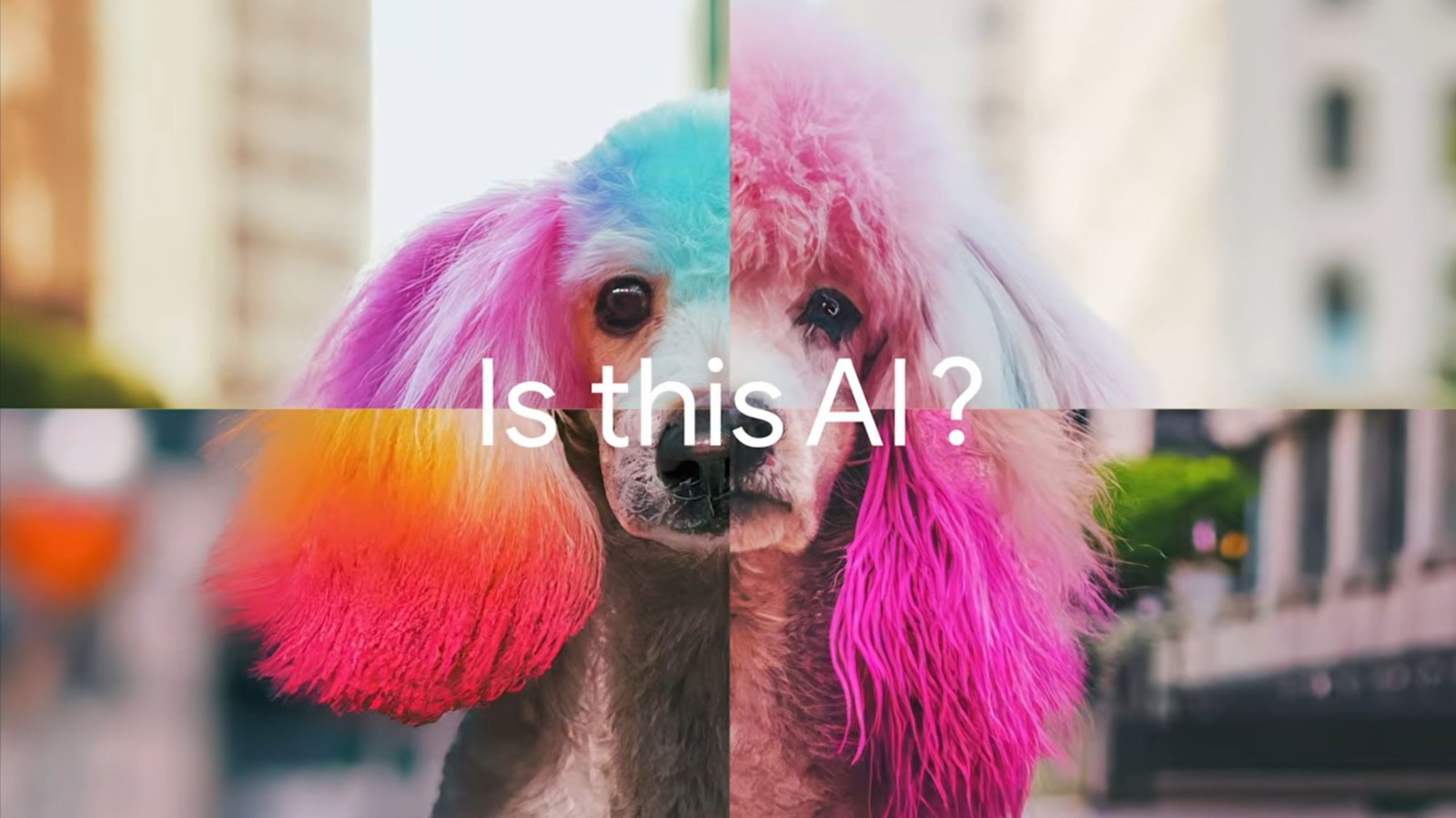
Technology company Google has opened its SynthID Detector tool to the general public, allowing anyone to check whether an image, video or audio file was created with artificial intelligence (AI). The tool is not foolproof, but it quickly shows whether a file carries a Google SynthID watermark.
Google introduced SynthID in 2023. It adds a label, imperceptible to people, to AI-generated content. Until now, ordinary users had no way to check for it. In 2025 the company released a limited version of the detector to certain researchers and journalists; it is now open to everyone.
How it works
To use it, visit SynthID.com, upload a file and wait a few seconds for a simple yes-or-no answer. Users must be logged in to a Google, OpenAI or Apple account. A Google spokesperson, as reported by Ars Technica, said users are limited to around 10 checks per day, to prevent the results from being used to work out how to remove the watermark.
The detector recognises not only content from Google's Gemini model but also media made with models from SynthID partners OpenAI, NVIDIA and Kakao. Apple also participates in SynthID, but detector support for its content is still being developed.
Limitations
Because the tool looks for a watermark rather than analysing patterns of AI use, it should avoid false positives. However, it cannot detect media made with models that don't use SynthID, such as Meta's tools. It also does not show which parts of a file were AI-generated. Google says SynthID signatures persist even if content is edited, though there is no guarantee that someone won't eventually find a way around them.
Other detectors
OpenAI runs its own detector that reads metadata as well as SynthID watermarks. Meta labels its AI creations with a watermark called Content Seal and offers a web detector, but a 2026 Reuters report found it sometimes failed to spot them accurately. Anthropic and Microsoft have also begun watermarking AI media but offer no consumer detection tools. No reliable detector exists that can identify generative AI content across the board.