Researchers propose adding a white light to traffic signals for autonomous cars
Researchers at North Carolina State University suggest adding a fourth, white signal to traffic lights to manage intersections with autonomous vehicles. Computer simulations showed waiting times could fall by more than 90% under certain conditions, but the idea remains a concept.
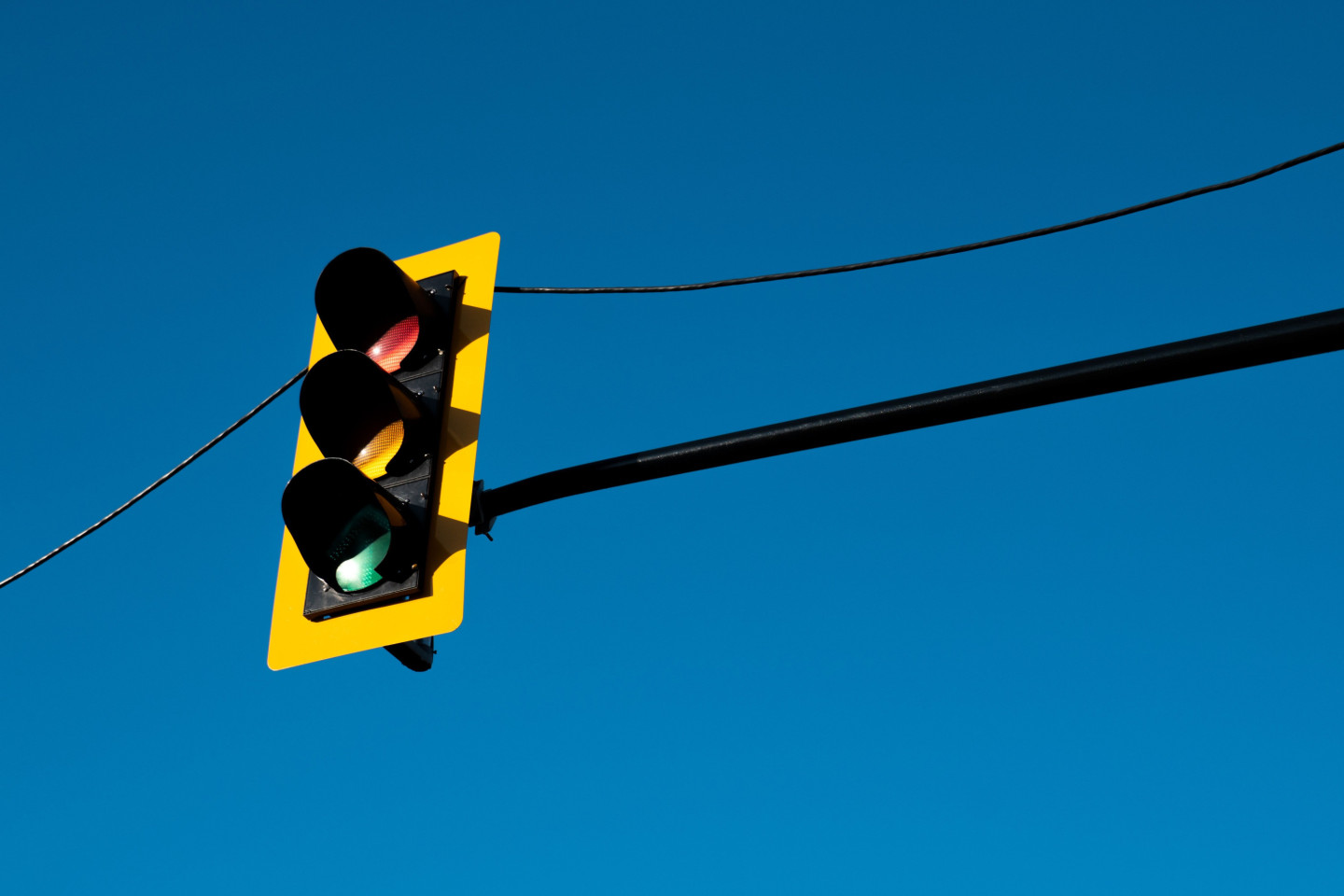
Researchers at North Carolina State University in the United States have proposed adding a fourth signal, a white light, to the usual red, yellow and green of traffic lights. It would help organise traffic at intersections used by autonomous cars and could reduce waiting times in congestion. The idea was reported by the Polish news site Gazeta.pl. For now it is only a scientific concept.
How the system would work
The white light would come on when an intersection has enough autonomous vehicles able to coordinate their movement. These cars would exchange information about their location, speed and planned route, and use it to decide the order in which they cross the intersection. This would cut the number of unnecessary stops.
For ordinary drivers, white would mean that autonomous cars are coordinating the traffic. They would need to follow the vehicle in front: if it moves off, the driver may proceed, and if it stops, the driver must wait. In other situations the usual signals would continue to apply.
Simulation results
The scientists tested the system with computer modelling, looking at different levels of road traffic and different shares of cars equipped with data-exchange technology. Under certain conditions, waiting times at intersections could fall by more than 90%. However, effectiveness depended on the specific traffic situation and the number of autonomous cars, so the results do not mean congestion would be cut by the same amount in all conditions. Smoother traffic flow could also reduce fuel and energy use, as there would be less stopping, braking and re-accelerating.
Obstacles to introduction
For the system to work, traffic lights would have to exchange data with cars. That would require installing equipment and upgrading part of the road infrastructure, which could be costly. Driver training would also be needed so the new signal does not cause confusion or endanger road users. Before any rollout, the system would have to be tested in real traffic. Its prospects depend on the development of autonomous transport and on how ready road infrastructure is to adopt the technology.