Google seeks to release 32 million sterile mosquitoes; Australian trials offer valuable lessons
Google's (Alphabet) Debug initiative has asked the US government for permission to release up to 32 million sterile male mosquitoes in California and Florida. Australian research shows this method can effectively suppress disease-carrying mosquito populations.
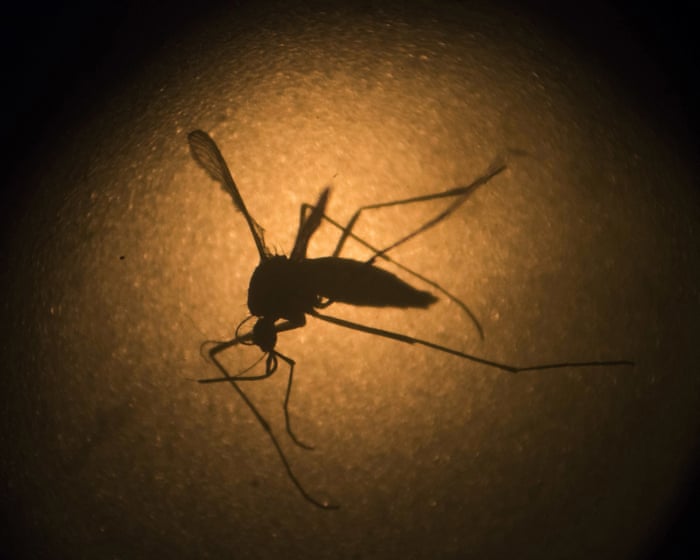
Google's (Alphabet) Debug initiative has asked the US federal government for permission to release up to 32 million sterilized male mosquitoes in California and Florida. Male mosquitoes do not bite or carry disease. The plan is to release more than 16 million mosquitoes each year for two years. The hope is that they will mate with disease-carrying females, causing the eggs to not hatch and reducing mosquito numbers.
Over a decade ago, the author led a project with Google's life sciences division (Verily) to test a novel mosquito-control strategy in north Queensland. The results showed that releasing specially bred male mosquitoes can dramatically suppress populations of the invasive mosquito species Aedes aegypti, which spreads deadly diseases such as dengue, Zika, chikungunya, and yellow fever.
The strategy relies on Wolbachia bacteria, which cause reproductive incompatibility. Male mosquitoes carrying Wolbachia mate with females, but embryos do not develop. In 2018, during a 20-week release period, approximately three million Wolbachia-carrying male mosquitoes were released in three treatment towns. Compared to control towns, mosquito populations began declining within four weeks. In one town, about 95% suppression was observed 12 months later.
The author notes that the approach has minimal ecological impact, as Aedes aegypti is an invasive species that lives exclusively around humans. Removing it from urban environments has few ecological consequences. The method works at scale, and benefits may persist after releases end, but success depends on local ecology and community participation.
The project involved researchers from six universities and Verily. The author emphasizes that collaboration between science, technology, and communities is key to solving such problems.

