GREVIO report: Istanbul Convention has helped Latvia strengthen fight against violence
A joint Saeima committee session reviewed the first GREVIO report on Latvia's implementation of the Istanbul Convention, which praised progress made but also revealed divided opinions among lawmakers about the treaty's impact on society.
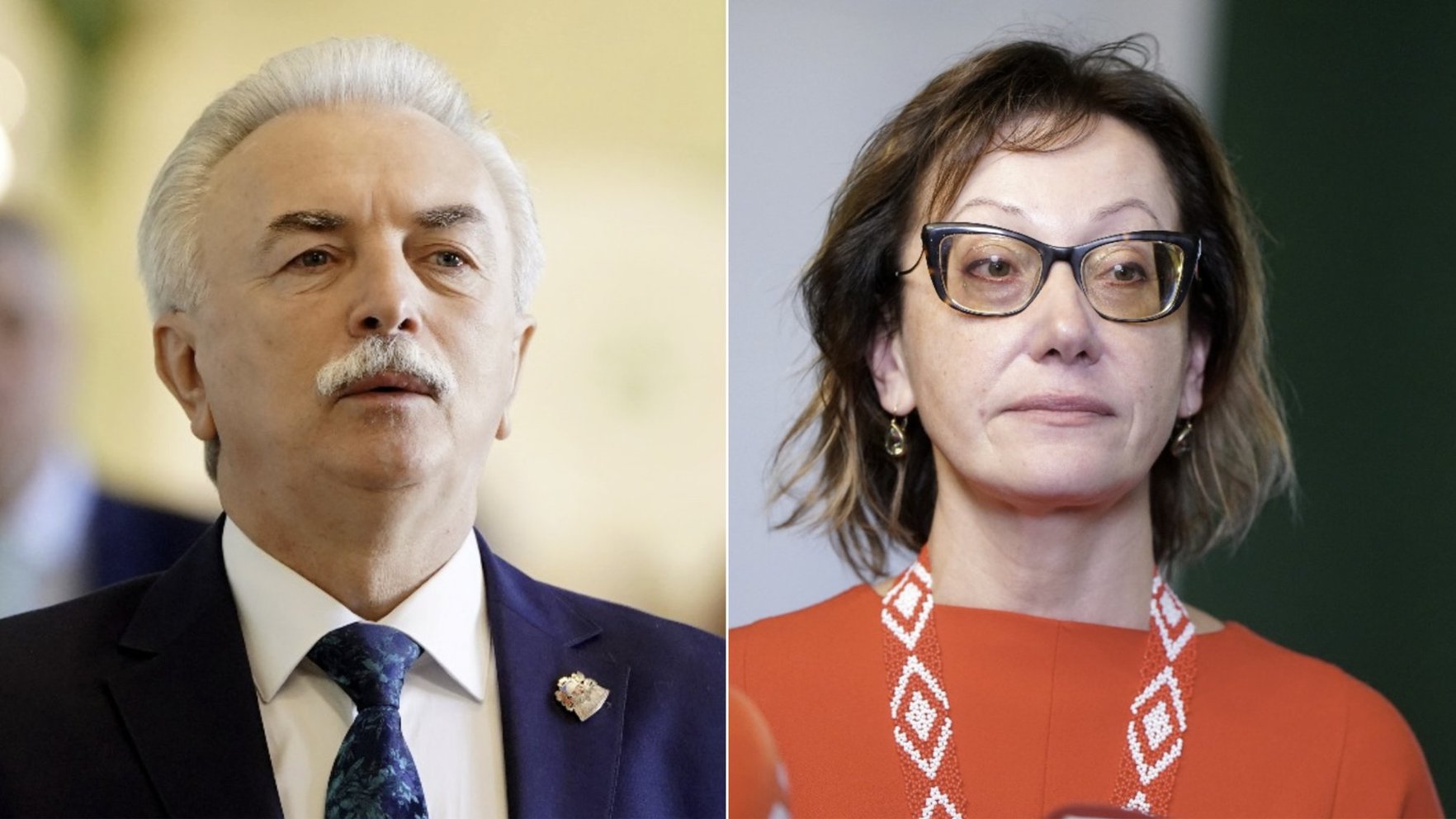
On Tuesday, September 29, members of the Saeima's Legal Affairs Committee and Human Rights and Public Affairs Committee held a joint session to discuss Latvia's progress implementing the Council of Europe's Istanbul Convention on preventing violence against women and domestic violence. The session included a presentation of the first GREVIO expert group report on Latvia.
Experts' findings
The report, currently being translated into Latvian, commends Latvia for adopting its first comprehensive plan to prevent and combat violence against women and domestic violence, covering 2024–2029. GREVIO noted that the convention prompted Latvia to criminalize psychological violence, introduce administrative liability for sexual harassment, and increase penalties for physical and psychological abuse, threats and stalking in close relationships. Latvia has also introduced electronic monitoring for high-risk offenders and a system allowing police to immediately separate perpetrators from victims.
GREVIO recommended that Latvia establish unified procedures for police, social services and healthcare professionals to recognize violence, ensure sustainable funding for a shelter network, develop support centers for sexual violence victims, and launch a free 24-hour helpline for women.
Divided views
Iluta Lāce, head of the Marta Centre, which works with victims of violence, said the report confirms the convention's focus on preventing violence against women and disproves criticism voiced last autumn, urging political forces to support Latvia's continued membership. Legal Affairs Committee chairman Andrejs Judins described the report as an expert perspective rather than a binding instruction for legislation.
MP Gunārs Kūtris noted that no one has assessed how harmful the parts of the convention unrelated to violence have been in dividing society. MP Jurģis Klotiņš called for greater attention to alcoholism and addiction issues in the context of violence.
As previously reported, the Saeima majority voted last year to withdraw from the convention, but following intervention by President Edgars Rinkēvičs, the final decision was left to the next Saeima. A survey found that 35.6% of respondents supported withdrawal, while 46.9% favored remaining in the convention.