Greek stock market returns to developed-market status after debt crisis
FTSE Russell and STOXX have reclassified Greece's capital market from emerging to developed status, potentially opening it to a broader pool of international investors. The move coincided with credit rating improvements from Moody's and Scope Ratings.
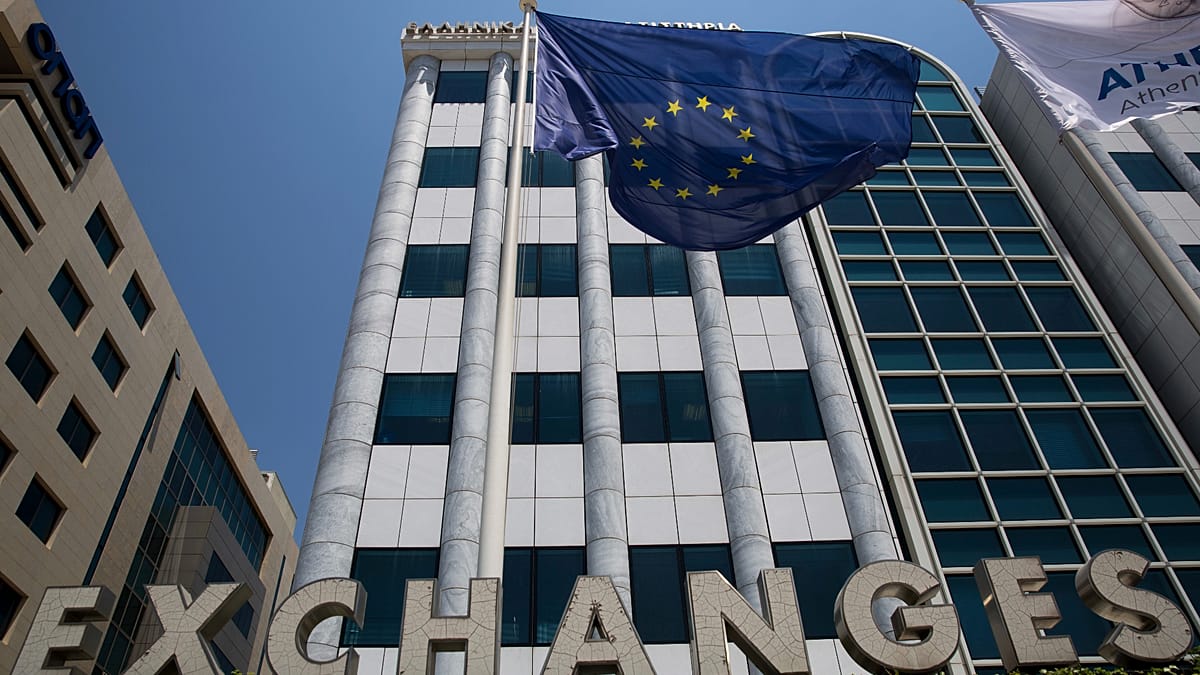
Greece's stock market officially rejoined the ranks of developed markets on Monday, as FTSE Russell's reclassification from "advanced emerging" to "developed" took effect. Euronext Athens described the change as major international recognition of structural reforms carried out at the Athens Stock Exchange in recent years, following the country's sovereign debt crisis.
According to Piraeus Securities, the reclassification moved 62 Greek stocks from FTSE's emerging-market benchmarks into its developed-market indices. Such classifications determine where many institutional and index-tracking funds are permitted to invest, potentially exposing Greek equities to a much larger pool of international capital. Athens Exchange Group CEO Yianos Kontopoulos called the upgrade a landmark achievement that could broaden the investor base, attract capital from developed-market index funds, and open new financing opportunities for listed companies.
In a parallel move, index provider STOXX also reclassified Greece as a developed market, allowing nine Greek companies — including National Bank of Greece, Eurobank, Piraeus Bank, Alpha Bank, GEK Terna, Jumbo, Motor Oil, PPC and Metlen — to join the pan-European STOXX Europe 600 index.
Record trading volume
Ahead of the change, index-tracking funds had to rebalance their holdings: emerging-market funds sold their Greek shares while developed-market funds bought in. Much of this activity concentrated in Friday's closing auction, pushing trading value on the Athens exchange to a record €4.26 billion, according to Greek financial outlet Euro2day — surpassing the previous record of roughly €3.03 billion set in May 2008.
The market upgrade came alongside further signs of improving confidence in Greece's public finances. On Friday, Moody's revised the outlook on Greece's Baa3 sovereign rating from stable to positive, while Scope Ratings raised its rating from BBB to BBB+ with a stable outlook. Both agencies cited Greece's declining debt burden, budget surpluses, and improved tax collection. Finance Minister Kyriakos Pierakakis said the developments showed Greece had become more resilient and credible, while stressing the need to continue fiscal discipline and reforms aimed at raising productivity and wages.