ECB launches 'Pontes' to settle tokenised assets in central bank money
The European Central Bank launched a new system called Pontes on Monday, allowing wholesale settlement of tokenised assets directly in central bank money. Thirteen institutions, including Deutsche Bank and Santander, are already onboarded.
The European Central Bank (ECB) launched a new system called Pontes on Monday, enabling wholesale transactions in tokenised assets — stocks, bonds and other instruments recorded as digital tokens on distributed ledgers — to be settled using the safest form of money available: reserves held directly at the central bank.
Until now, the lack of such a risk-free settlement option had been one of the biggest obstacles to wider adoption of blockchain technology in financial markets. Without it, tokenised trades typically settled in commercial bank money or stablecoins, both of which carry credit risk that large institutions are often unwilling to accept.
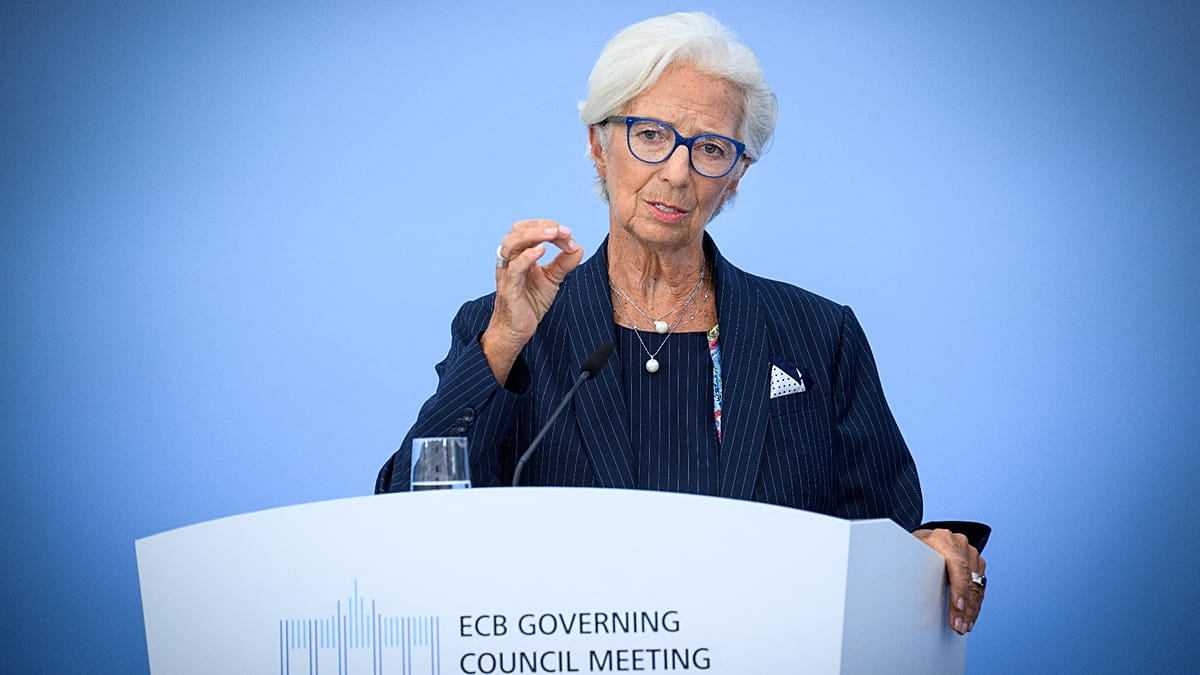
ECB President Christine Lagarde said the Eurosystem is working toward a more integrated, innovative and resilient European financial market for the digital era.
Thirteen institutions have already completed onboarding, including Deutsche Bank, Santander, Société Générale, KfW and the European Investment Bank, along with four ledger operators, among them Clearstream.
The ECB as a user
The ECB also announced plans to become a user of its own system, saying it has begun preparatory work to invest part of its own funds in tokenised securities, with settlement routed through Pontes. The initial focus will be on euro-denominated debt issued by euro area governments, regional authorities, agencies and European supranational bodies. No specific amount was disclosed, and the ECB's Executive Board will determine timing once preparations are complete.
Racing the US
Tokenovate founder and CEO Richard Baker noted that the service will initially operate during standard market hours, but that longer term there is potential for more continuous, possibly round-the-clock settlement.
American markets have been moving faster in this space — the New York Stock Exchange is building a blockchain-based venue for trading tokenised shares and funds around the clock, while BlackRock has operated a tokenised money market fund since 2024. Pontes will not reach full capability, including extended operating hours, until 2028.
Unlike the US, where the Trump administration dropped plans for a Federal Reserve digital currency in favour of privately issued stablecoins, Europe is betting on public central bank money remaining at the core of its financial system.
Pontes is designed for banks and markets, not individual consumers. The digital euro, which would let the public make everyday payments directly in central bank money, remains further from realisation — the European Parliament's economic committee approved its position in June, with final legislation targeted by year-end, a pilot involving 36 payment providers planned for September 2027, and possible first issuance in 2029.