Flu season starts early in Latvia as scientists watch an H1N1 mutation
Increased influenza activity was seen in several Northern Hemisphere countries from early October, and Latvia confirmed its first cases of the season in September. Researchers are examining a mutation in the H1N1 strain, but say it is too early to predict how severe the season will be.

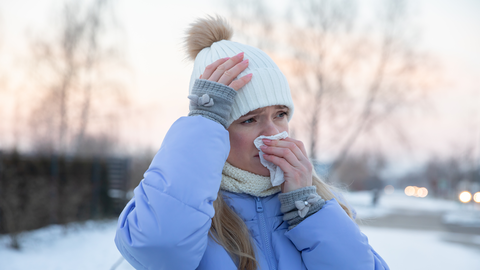
This autumn the flu season has begun earlier than usual in several Northern Hemisphere countries, Latvia among them. German outlet Bild reports that scientists observed higher influenza activity as early as the start of October. In Latvia, the first laboratory-confirmed cases of the season were recorded in September, and doctors are urging people in risk groups to get vaccinated.
What worries researchers
Researchers are focusing on H1N1, a subtype of the influenza A virus. A report in the journal Nature says the G155E mutation was found in some of the samples analysed. Laboratory studies show that in certain cases it may make it harder for human antibodies to recognise the virus.
Scientists stress, however, that it is too early to predict how the whole season will unfold or how severe it will be. An early start does not in itself mean the wave of illness will be worse than in previous years. In Japan, schools even had to be closed in August and early September because of flu outbreaks.
The situation in Germany
Respiratory illnesses are becoming more common in Germany. According to Robert Koch Institute data cited by Bild, about 6.6 million people are affected each week. In the latest survey week, acute respiratory illness affected roughly 14% of children and 7% of adults. The institute's experts say, however, that influenza virus activity itself remains very low for now, while many samples show other viruses, including rhinoviruses, which cause common colds.
In Latvia
The news agency LETA reports that three flu cases were confirmed in the laboratory in week 38 of this year, and the Latvian Centre of Infectious Diseases at Riga East University Hospital (RAKUS) has already treated a patient with flu complications. Infectious disease specialists say the epidemic could start earlier than usual.
Last season, flu was identified in 582 inpatients at Riga East Hospital, and 46 of them died. More than three quarters of the patients were over 60. Of 202 patients treated for flu-related pneumonia, 30, or about 15%, died.
Who needs vaccination most
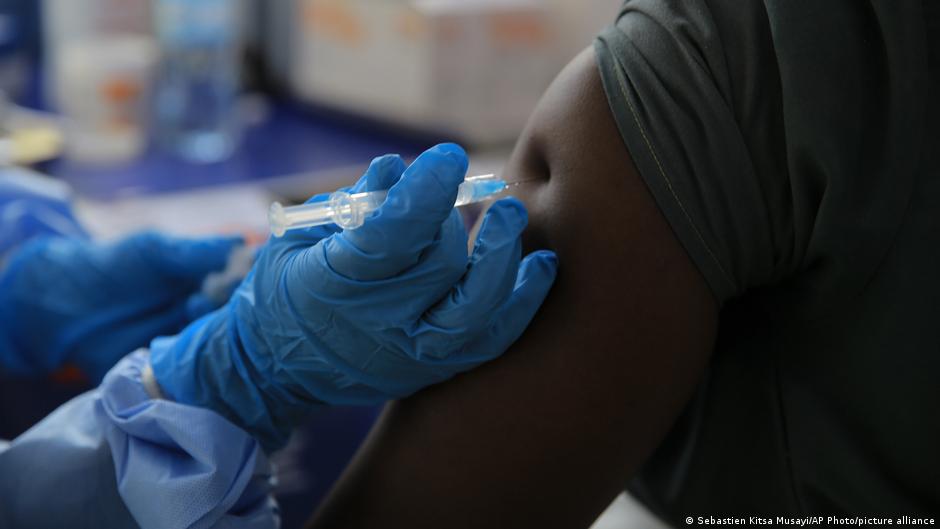
Baiba Rozentāle, chief physician at the Infectology Centre, said vaccination can reduce the risk of severe illness. The risk group includes people aged 60 and over, patients with chronic heart, lung, kidney and liver diseases, diabetes or a weakened immune system, and staff of medical and social care institutions. The World Health Organization recommends vaccinating risk groups in October and November. Where the state pays for the vaccination, no referral from a family doctor is needed.