Why there is still no vaccine against the Bundibugyo strain of Ebola
The Democratic Republic of Congo is facing a major Ebola outbreak caused by the less common Bundibugyo virus, for which no vaccine is licensed. Researchers explain why the existing vaccine is not being deployed and say new options may not be ready until mid-2027.
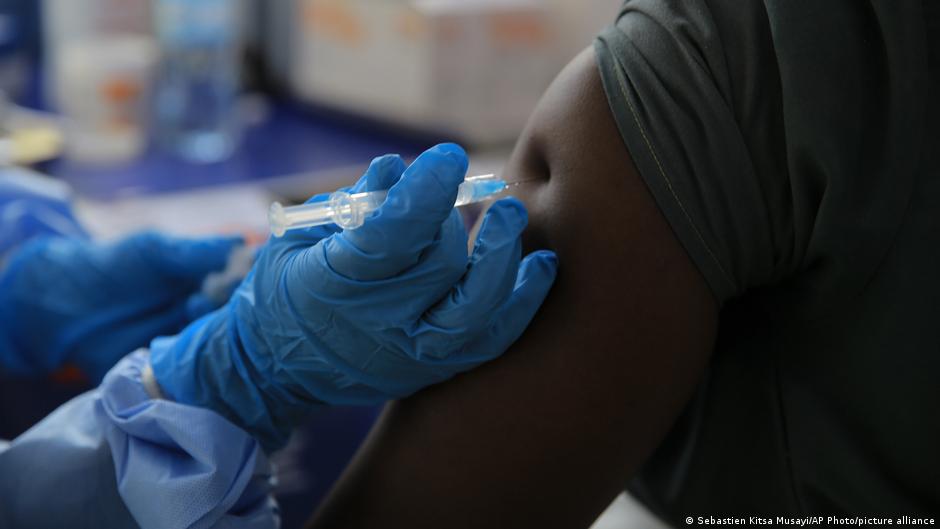
The Democratic Republic of Congo (DRC) is in the grip of a large Ebola outbreak caused by the Bundibugyo virus, a less common type of the disease. No vaccine is licensed and no official treatment exists for this strain. According to the source, the DRC has recorded more than 10,000 cases since May, and the disease has also been reported in Kenya and Nigeria. That raises the question of why a virus known for decades has not been countered with a vaccine.
A missed opportunity
The first scientifically documented Ebola epidemic struck in 1976 in what was then Zaire, now the DRC. The Bundibugyo virus was identified in 2007 in Uganda, with another outbreak in the DRC in 2012. Torsten Feldt, a tropical medicine doctor at Düsseldorf University Hospital, believes there was time to develop vaccines and treatments but that it went unused.
Leonie Mayer, a researcher at the University Medical Center Hamburg-Eppendorf, notes that vaccines cannot be developed in advance against every possible pathogen. Many experts expected an outbreak of the Sudan virus instead, and vaccine work on that strain is more advanced.
The existing vaccine and its limits
The licensed vaccine, Ervebo, was developed against the Zaire strain. A study led by Mayer for the German Center for Infection Research (DZIF) found cross-reactive T-cell responses against Bundibugyo and, to a lesser degree, the Sudan virus. The data cannot show whether this gives protection or a milder illness.
Deploying the vaccine widely without proof it works would be unethical, would make it impossible to assess its effectiveness, and could erode trust in vaccination.
What is happening now
The Tumaini study, testing several vaccine candidates including one developed by Oxford University and a Moderna mRNA vaccine, has started in the DRC. Experts estimate that any such vaccine may be ready for widespread use only after several months, possibly mid-2027. In the longer term, researchers hope to develop vaccines effective against all types of Ebola.