Guinea-Bissau holds referendum to reshape presidential powers
Guinea-Bissau voted on Sunday in a referendum on shifting to a presidential system ahead of December elections, while opposition groups called for a boycott, warning it would entrench the junta leader's power.
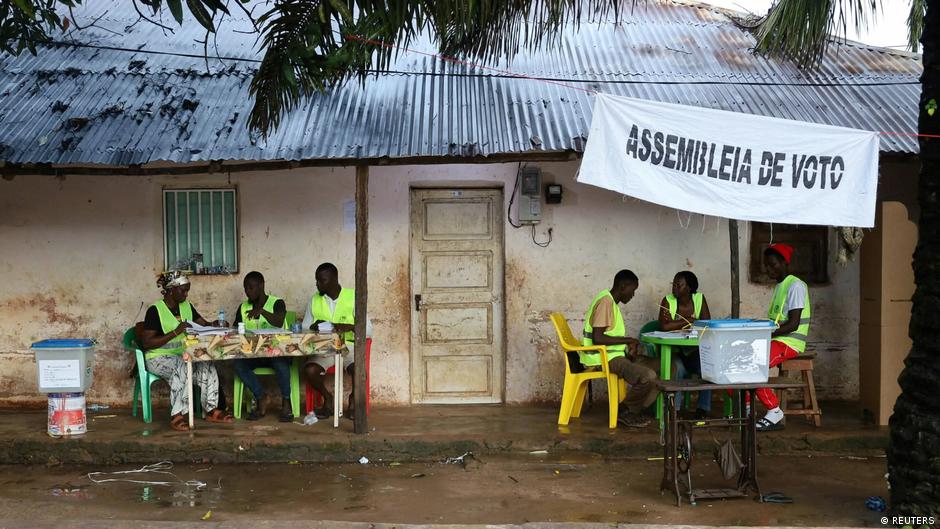
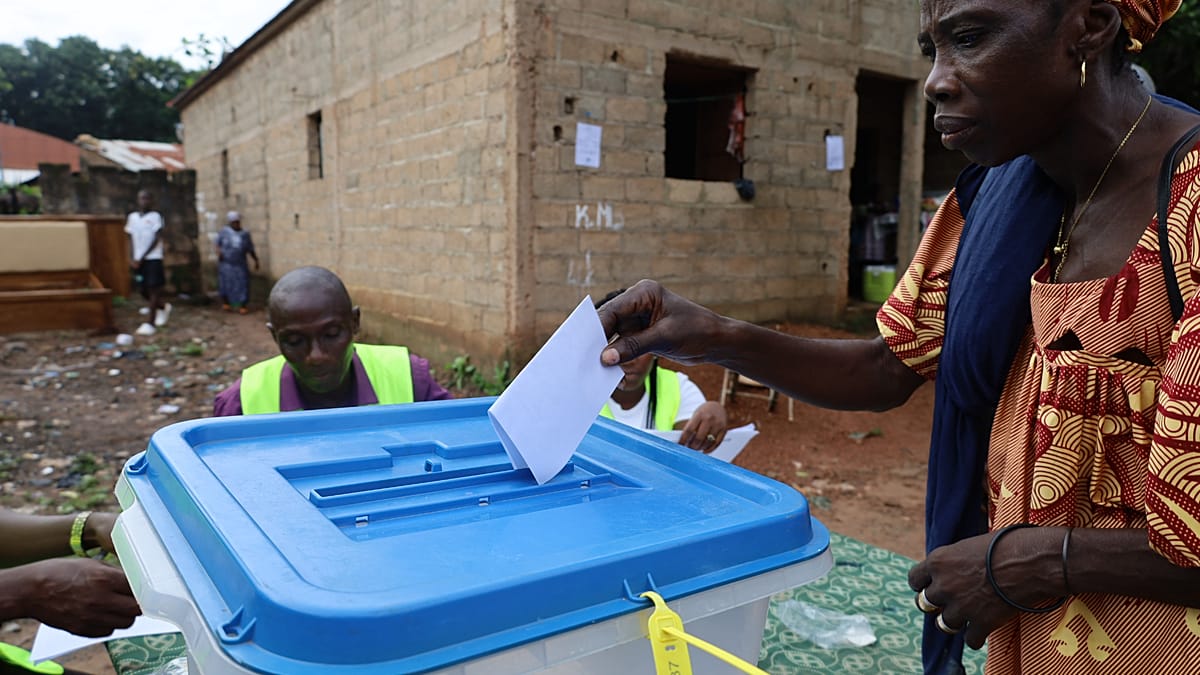
Guinea-Bissau held a referendum on Sunday on constitutional changes that would shift the country from a parliamentary to a presidential system of governance. The vote comes as the West African nation of around 2.2 million people remains under military rule, following a disputed election last November.
What the amendment proposes
The ruling military junta has unanimously approved changes that would end the current system, under which the prime minister is drawn from the parliamentary majority. Under the new rules, the president would gain the power to appoint and dismiss the prime minister, and to dissolve parliament. The number of parliamentary seats would also be cut from 102 to 65.
Junta officials say the reform is needed to stabilize state institutions ahead of presidential and parliamentary elections set for December 6, which are intended to return the country to civilian rule.
Opposition pushback
Opposition groups have called on the public to boycott the referendum, arguing the changes would allow the junta leader to consolidate power. They have described the amendment as a source of political instability at every level.
Voting and results
Polling stations closed at 17:00 GMT on Sunday, with the first provisional results expected from Tuesday.
Guinea-Bissau, one of the world's poorest countries, has experienced five successful coups and several attempted ones since 1974. The current military government took power last November after a disputed election in which both former president Umaro Sissoco Embalo and opposition candidate Fernando Dias claimed victory. Following 2023 legislative elections, Embalo had already dissolved the opposition-dominated parliament, citing an alleged coup attempt.
/nginx/o/2026/08/30/17885842t1hf724.jpg)