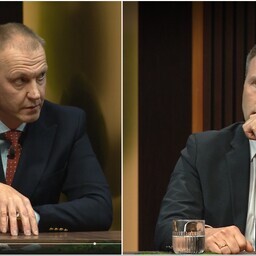
Hague tribunal to deliver verdict on former Kosovo president Thaçi
The Kosovo war crimes tribunal in The Hague is set to rule Wednesday on former president Hashim Thaçi and three former commanders accused of murder and torture during the 1998-99 conflict with Serbia. Prosecutors are seeking 45-year sentences.
On Wednesday, the Specialist Chambers for Kosovo war crimes in The Hague is expected to deliver its verdict on former Kosovo president Hashim Thaçi and three other former commanders of the Kosovo Liberation Army (KLA). They stand accused of murder and torture during the armed conflict with Serbia in 1998-1999.
Prosecutors are seeking 45-year prison sentences for the 58-year-old Thaçi and his co-defendants. All four deny the charges. According to the prosecution, KLA forces during the fighting targeted political opponents and people considered collaborators, and the former commanders bear responsibility for more than 100 killings. Thaçi's lawyers argue the charges are baseless and effectively amount to an attempt to rewrite history, saying there is no direct evidence linking Thaçi to any alleged crime or proving he controlled other KLA commanders.
Tension across the Balkans
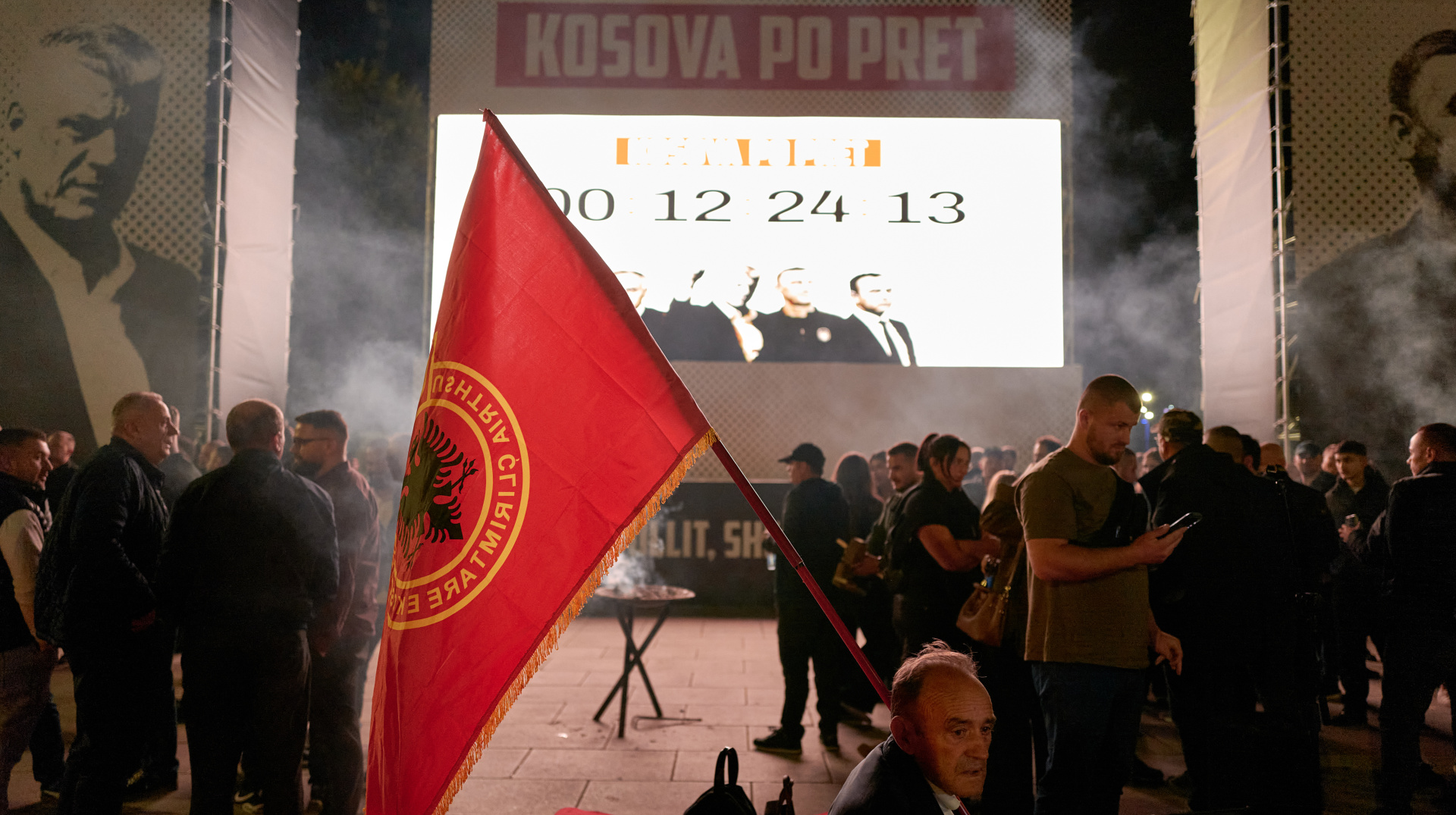
The trial has drawn major attention in the region — the war's aftermath and Kosovo's 2008 declaration of independence remain a persistent source of tension between Pristina and Belgrade. For many Kosovo Albanians, Thaçi and KLA fighters are regarded as national heroes. Ahead of the verdict, large countdown screens were set up in Kosovo cities and KLA flags were widely displayed on main streets. Fearing possible unrest, local police alongside international peacekeeping forces have taken unprecedented security measures, while the US and several European diplomatic missions have urged their citizens to avoid crowds in Kosovo.
Background
The KLA, made up of ethnic Albanians, fought a guerrilla campaign against Serbian forces under Yugoslav leader Slobodan Milošević, whose troops carried out mass ethnic cleansing of the Albanian population. The conflict ended in 1999 after NATO's 78-day bombing campaign forced Belgrade to withdraw its forces. Thaçi served as the KLA's political leader, later became prime minister, declared Kosovo's independence in 2008, and served as president from 2016. In 2020 he voluntarily resigned to face the tribunal. The tribunal was established in 2015 under international pressure, operates under Kosovo law but with foreign judges, and is based in The Hague for security reasons. Kosovo's independence has been recognized by more than 100 UN member states, including the US and most EU countries, but not by Ukraine, Spain, Slovakia, Greece, Cyprus, Romania, Russia or China.