Harvard scientist puts popular diets to the test: which one actually works?
Harvard professor Daniel Lieberman has written a book examining popular diets — from paleo to intermittent fasting — after testing many of them on himself. One has stuck as part of his own routine.
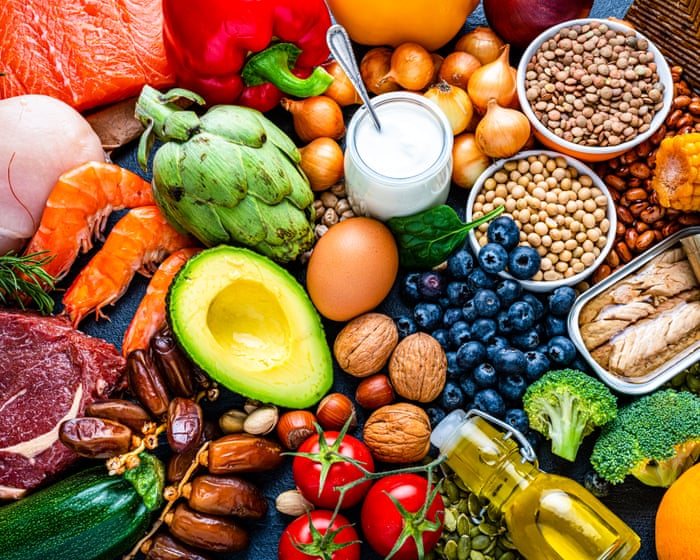
Diet trends multiply constantly on social media, making it difficult for people to tell which approaches are grounded in science and which should be dismissed. Paleo, keto, raw food and intermittent fasting each command devoted followings, yet the scientific basis behind them is often unclear.
An evolutionary lens
Daniel Lieberman, a professor of biological sciences at Harvard University, has set out to bring clarity to the debate with a new book titled "Fed Up". Lieberman, an evolutionary anthropologist by training, applies his expertise in human evolution to critically examine the evidence behind various popular diets.
In the process of researching the book, Lieberman turned himself into something of a test subject, personally trying out a range of the diets he discusses in order to better understand their effects and validity.
The diet that stuck
Speaking with Guardian journalist Ian Sample, Lieberman revealed which of the diets he tested has remained part of his own daily routine. The conversation explores how evolutionary biology can help explain why certain eating approaches appeal to people, and why some may genuinely offer benefits while others do not.
The book and the accompanying interview form part of a wider conversation about distinguishing scientifically sound dietary advice from trends driven largely by social media popularity rather than solid evidence.