Havana syndrome: a decade on, the dispute over its cause continues
Ten years after the first reports from Havana, there is still no consensus on what caused unexplained health problems among US officials and intelligence staff. Two CBS journalists are preparing a book arguing that Russia was behind at least some cases.
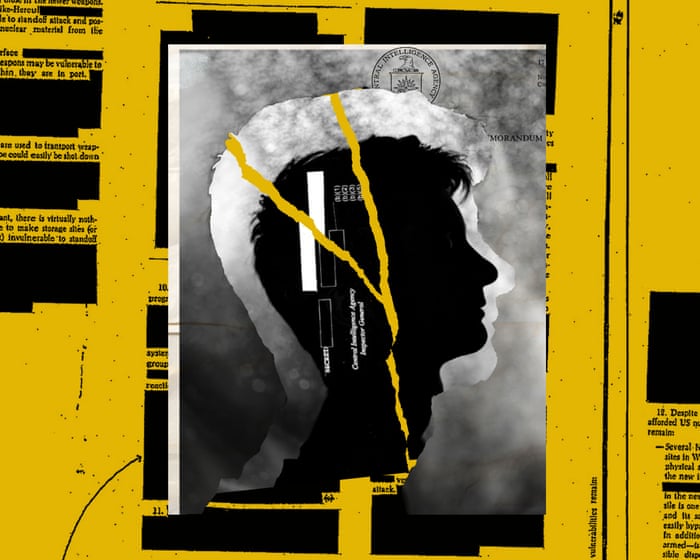
Ten years after the first reports emerged from Havana, Cuba, of mysterious health problems among US diplomats, the dispute over their cause has not ended. The phenomenon is known as Havana syndrome; official documents call the cases anomalous health incidents (AHIs). Two producers for the CBS television programme 60 Minutes are now preparing a book arguing that Russia was behind at least some of them. They also accuse parts of the US government and intelligence community of covering up evidence.
Reported symptoms
People have described unusual sounds, pressure and pain, followed by symptoms that can last for years. One account concerns a Central Intelligence Agency (CIA) officer who was woken by intense head pain in a London hotel in April 2019. In September, in Warsaw, it returned in a worse form. He went on to suffer chronic nerve pain and fatigue. In another case, a researcher at a US defence institute reported a falling sensation, a flickering computer screen and later pain "like a drill going into my eye" after a stay in Belgrade, Serbia. She eventually had to leave her job.
The dispute over the cause
Many CIA officers believed the incidents were a Russian intelligence operation using an unknown weapon delivering sonic or pulsed microwave energy. Some scientists dismissed a portable weapon of this kind as science fiction and pointed to environmental factors, toxins or mass hysteria. In 2022, a panel of experts convened by the US government concluded that the symptoms were genuine and could be due to external stimuli. In 2023, the US intelligence community's assessment said Russian involvement was "very unlikely". This summer, the outgoing US director of national intelligence rescinded that assessment, claiming it rested on flawed analysis.
The book's argument
Michael Rey and Oriana Zill de Granados point to a pattern: many alleged victims worked on matters touching Russian interests, and several locations, including Cuba, Georgia, Kyrgyzstan, Serbia and Vietnam, were places where part of the elite wanted closer ties with the West. Stanford professor David Relman, who led the 2022 panel, believes some cases are most plausibly explained by pulsed microwave energy and says evidence may point to a cover-up.