Healey promises to cut welfare bill with tough line on young people who refuse job offers
UK chancellor John Healey said the benefits bill will fall before the next election, with stricter expectations for young people who decline support. The Resolution Foundation think tank called his budget a "scattergun" one.
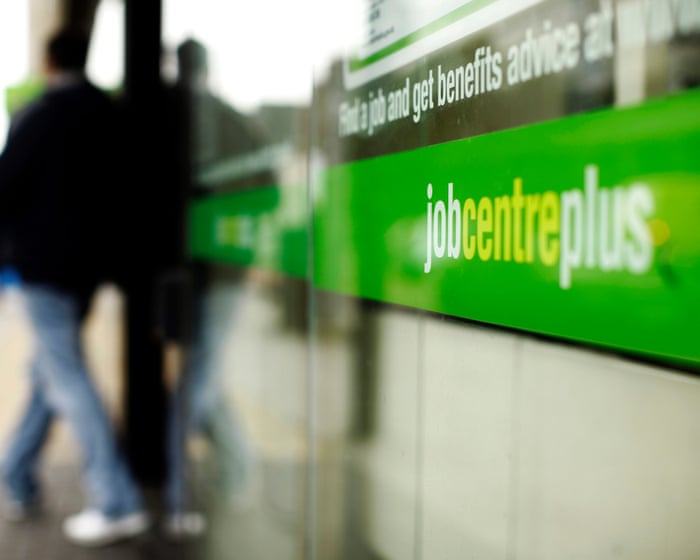
John Healey, the UK chancellor of the exchequer in the Labour government, said after delivering his budget on Wednesday that the welfare bill will be reduced before the next election. He promised a "tough" approach towards young people who do not accept support to get a job or training.
Documents from the Office for Budget Responsibility (OBR, the independent body that assesses public finance forecasts) suggested sickness and disability benefits could cost £100bn a year before the end of the decade. Healey told BBC Radio 4's Today programme that the benefits bill must come down, but said there would be no "crude cuts". The phrase echoes Andy Burnham, after Labour MPs stopped Prime Minister Keir Starmer's attempts to cut disability benefits.
Reviews still to come
Healey described the welfare system as "unsustainable". The government will set out changes after two major reports: the Milburn review on young people and work, and the Timms review of the disability benefit system. The budget contained no welfare changes, and it also left open how defence spending of 3% of national income will be funded. Both issues are likely to be dealt with at the spending review.
The chancellor pointed to the experience of the last Labour government elected at the end of the 1990s, when youth unemployment in his area of South Yorkshire was one in five. He said the approach then was tough on those unwilling to take up offers, combined with real support and advice.
The OBR said total welfare spending would grow from £334bn last year to £431bn by 2030, with about half going to pensioners and a quarter to sickness and disability benefits. The forecast has risen by £8bn since March.
Criticism of energy support
The budget scraps standing charges on gas bills and provides £100 energy payments to up to 20m households in council tax bands A to D. The Resolution Foundation think tank said typical annual energy bills would reach £1,750 after government help in 2026-27, compared with £1,685 during the 2022-23 price jump. Its chief executive, Ruth Curtice, called the budget "scattergun" and said cost of living support was being spread too thinly.

