Hegseth warns prediction market bets can warp military judgment and endanger troops
US Defense Secretary Pete Hegseth has barred Pentagon personnel from trading on nonpublic information, including on prediction markets. Violations could bring disciplinary and criminal consequences.
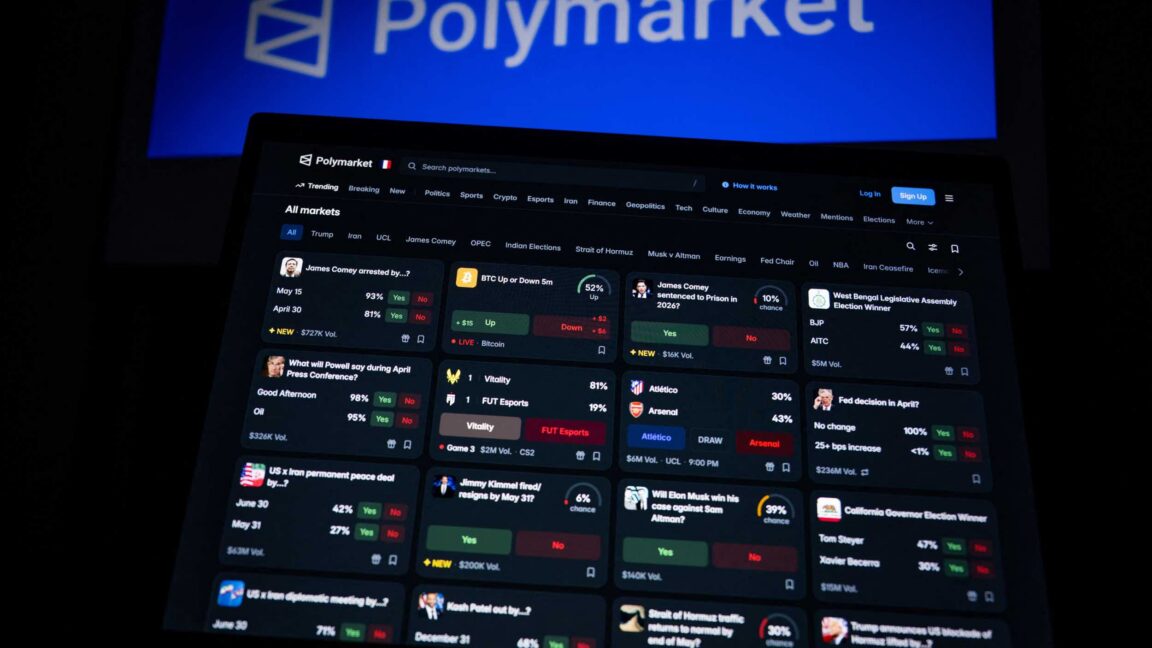
A memo from US Defense Secretary Pete Hegseth prohibits personnel at the Department of Defense, which the current administration calls the Department of War, from making financial transactions based on nonpublic information. The ban covers trades made indirectly through a third party. The memo concerns prediction markets, platforms such as Kalshi and Polymarket where users wager money on the outcome of events.
What the memo says
Violations may lead to administrative and disciplinary action and, where appropriate, criminal action under the Uniform Code of Military Justice and applicable federal law.
Hegseth argues the issue goes beyond operational security, because financial stakes can distort judgment. A logistician with money riding on a strike date has an interest in that date, he wrote, and an analyst with a position on an outcome has an interest in that outcome.
Kalshi and Polymarket both prohibit insider trading themselves, but the threat of criminal charges is likely to deter more than a ban from either platform.
Earlier incidents
This was not the first internal warning from the Trump administration. The Associated Press reported that a group of new Polymarket accounts placed highly specific, well-timed bets on whether the US and Iran would reach a ceasefire, just before President Donald Trump announced one in April. The new customers made hundreds of thousands of dollars in profit. The White House warned staff against using private information to trade on prediction markets on the same day that report appeared.
In another reported case, a teleprompter aide to Trump made $100,000 on Kalshi by betting on what Trump would say in prepared remarks.
The regulatory dispute
Prediction markets have grown under the Trump administration's light-touch approach to regulation. The administration is also trying to stop state governments from regulating them, arguing that state laws are preempted by the exclusive jurisdiction of the Commodity Futures Trading Commission, the federal derivatives regulator. Courts have reached differing conclusions, and states want the Supreme Court to uphold their right to restrict prediction-market gambling.