Helme: Great-power deal lowers war threat to Estonia
Martin Helme, leader of Estonia's EKRE party, says a meeting of US, Chinese and Russian leaders reduces the risk of a third world war. He also urges more attention to hybrid threats and internal security.

Martin Helme, chairman of Estonia's Conservative People's Party (EKRE), on Wednesday assessed the trilateral meeting of the US, Chinese and Russian leaders in China on the public broadcaster ETV's programme "Esimene stuudio". He sees it as a positive signal for Estonia because it lowers the risk of a third world war, but stresses that more attention must be paid to hybrid threats.
Shifting balance of power
Helme said the global balance of power, both economic and military, has changed substantially in recent years. In his view, the changes in European security architecture stem not only from the actions of US President Donald Trump, which he considers excessively mystified, but also from Europe's own earlier decisions. He claimed Europe had cornered itself, partly by beginning deindustrialisation under its "green transition". Helme added that Europe has talked about rearmament and spent money for four years since the war in Ukraine began, yet in his assessment real results remain few.
Great-power agreement as a safeguard
Helme emphasised that analysing the situation does not mean endorsing the meeting, but he pointed to one result important for Estonia: the three largest countries in the world have agreed not to allow a third world war. When the presenter remarked that Russian President Vladimir Putin's words cannot be trusted, Helme replied that if the US and China have put the agreement on record, it will be honoured. He believes such an arrangement reduces the likelihood of a direct conventional military attack on Estonia, provided Estonia itself does not behave "extremely stupidly".
Focus on internal security
Although the threat of direct attack is falling, in Helme's view the importance of internal threats is growing. He named internal security, the "fifth column", hybrid threats, immigration pressure and terrorism as areas deserving far more attention than before.
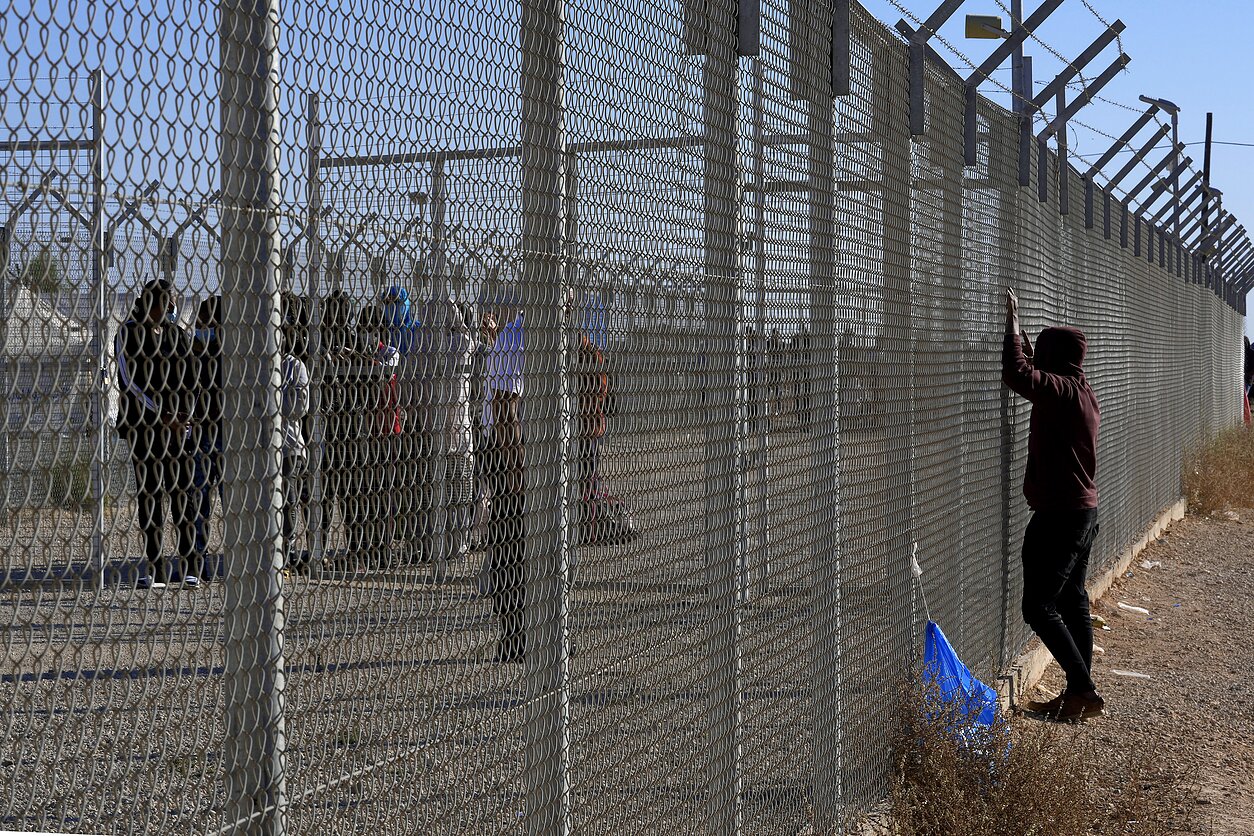
He referred to a recent case in which Estonia's Internal Security Service detained eight suspects over an attack on the defence company Threod Systems in Viimsi. Helme argues that border control with Latvia must be restored to strengthen internal security. In his view, the government's decision to close only the eastern border is inconsistent and pre-election posturing, since the southern border, through which the suspects entered the country, has no controls.