Refusing to cross, unable to escape: seafarers describe Hormuz dangers
The Strait of Hormuz, a vital route for world energy trade, has been under two concurrent naval blockades since the Iran war began, and traffic has fallen by more than 90%. Seafarers told Euronews about refusing to cross and about rising pay offers.
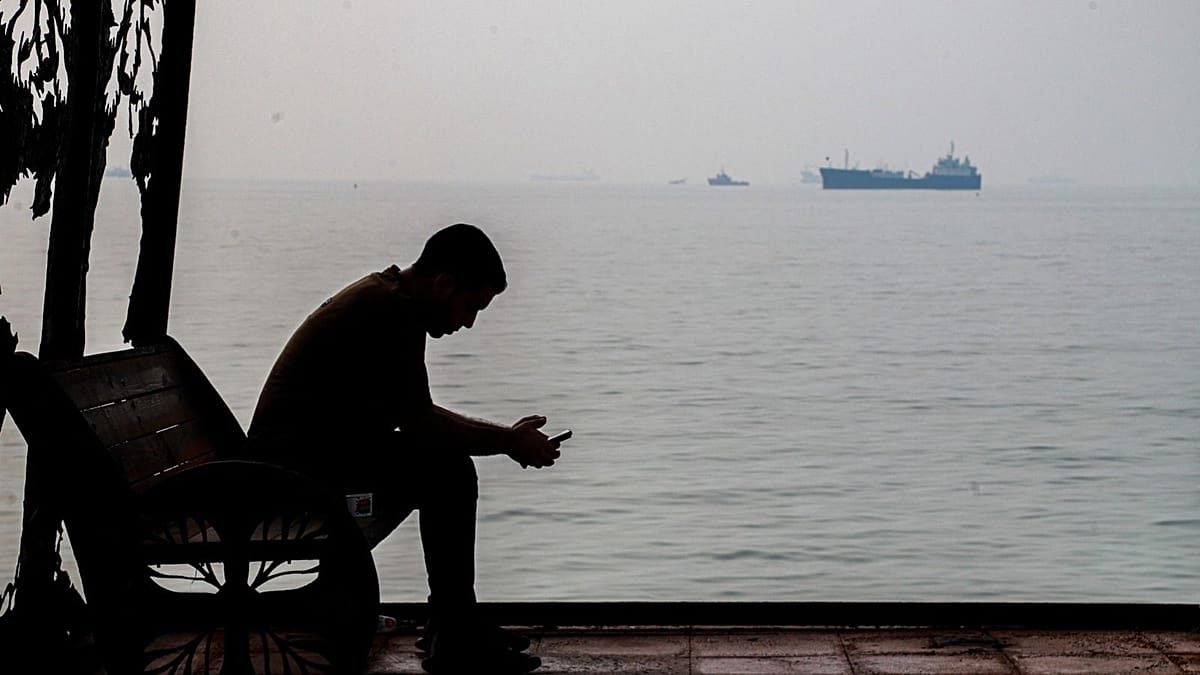
The crew of the Al Ruwais has been adrift off the coast of Pakistan for weeks, refusing to attempt a crossing of the Strait of Hormuz, the narrow waterway linking the Persian Gulf to open sea and a vital artery for global energy trade. The 314-metre liquefied natural gas (LNG) carrier, owned in the United Arab Emirates and flying a Bahamian flag, has 34 crew members who fear for their safety, even though the owners are demanding that the ship go through.
An electrician aboard told Euronews that the company appears willing to risk the vessel, but that the whole crew would have to agree to a crossing, and they do not. Under maritime rules, the right to refuse entry into a designated warlike area is individual, so a single objecting sailor is enough to keep a ship out of a danger zone. On ships whose crews agree to go, captains have been offered up to $100,000 a month plus $50,000 risk bonuses, while ordinary crew wages have risen four to six times.
Two blockades
Since the Iran war began in late February, following US-Israeli strikes, the strait has faced two concurrent naval blockades. US forces patrol the southern corridor near Oman, while the northern route passes through Iranian-controlled waters. The Islamic Revolutionary Guard Corps Navy has warned of "punitive action" against vessels using routes it considers unauthorised.
According to ship-tracking firm Kpler, more than 125 vessels passed daily before the war, compared with fewer than 10 to 12 now, a fall of over 90%. Drone attacks, sea mines and strikes from unidentified projectiles are behind the decline. Ships that do try the crossing often switch off AIS transponders, running lights and radio equipment to avoid detection.
Iranian seafarers
Hamed, a former captain who now runs a maritime management company in Iran, told Euronews that about 95 seafarers have died in the war, although official figures have not been released. He said roughly 60% of Iranian ships are sanctioned and about 40% of southern seafarers have refused sea assignments. US forces have boarded Iranian commercial vessels around 15 times, he said. Roughly 35,000 seafarers on about 2,000 vessels keep delivering wheat, corn and medicine in southern waters.