Potential US-Iran deal: Key sticking points
US President Donald Trump announced that a deal with Iran could be imminent, with a memorandum of understanding expected in coming days. Major obstacles include Iran's nuclear program, frozen assets, and control over the Strait of Hormuz.
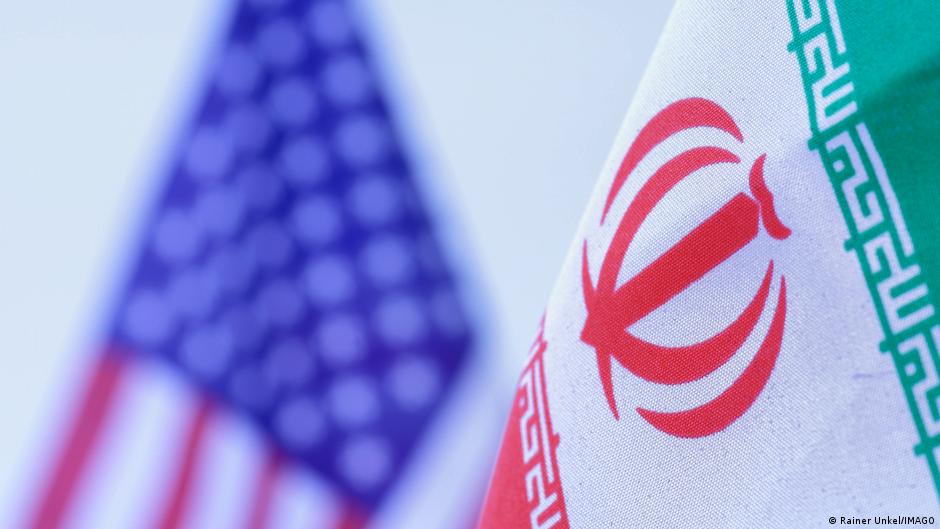
US President Donald Trump on Thursday said an agreement with Iran could be near, mentioning a memorandum of understanding (MoU) both sides aim to conclude soon. Iranian officials stated that no draft MoU has been approved yet, but if the US accepts Iran's proposal, Iran is likely to follow suit. An agreement would mark the most significant diplomatic development since the conflict began over three months ago.
Nuclear program as main hurdle
Central to the talks is Iran's nuclear program, specifically the handling of about 400 kilograms of uranium enriched to roughly 60%. Further enrichment could theoretically yield enough material for several nuclear weapons. Iran's state-run IRNA news agency emphasized that Iran's right to enrich uranium and retain enriched material would be highlighted for inclusion in a final deal. The US has reportedly proposed a long-term moratorium of up to 20 years, which Tehran has rejected. Instead, discussions focus on a much shorter pause of around five years.
Iran views its enriched uranium as a bargaining chip and is unwilling to give it up. Tehran has proposed downblending the material itself in exchange for sanctions relief. Involvement of a third country is under discussion as a compromise. Russia has repeatedly offered to take custody of Iran's highly enriched uranium for secure storage or processing. China has also signaled willingness to act as a mediator and logistical partner.
Economic issues
Alongside the nuclear issue, the economic dimension is critical. A key dispute involves Iranian assets frozen abroad, estimated at up to $100 billion (€86 billion). Much of these funds come from oil exports blocked by US sanctions in countries like South Korea, China, and Japan. Tehran demands the release of $6–12 billion and easing of sanctions. The US wants gradual release strictly for humanitarian purposes. Washington is also discussing using part of the frozen assets to compensate US allies in the Gulf region for damages.
Trump's remarks on rebuilding Iran
In a Truth Social post on June 8, Trump said peace talks were proceeding "subject to ignorance or stupidity getting in its way." In an interview with ABC News, he warned that if people are stupid, the US might have to "wipe out an entire infrastructure of a nation," adding that someone would have to rebuild it and the US would likely help. He compared it to a Marshall Plan for Iran but said, "We'll get half their oil." Iran rejects any foreign control over its oil resources as a violation of sovereignty.
Future of the Strait of Hormuz
As an initial step after any agreement, shipping through the Strait of Hormuz would be gradually normalized and the US blockade of Iranian ports lifted. Before the conflict, about 20% of global oil and LNG exports passed through this chokepoint. Despite a ceasefire since April 8, near-daily military clashes have occurred. US operations aim to weaken Iran's military capabilities and control over the strait. Iran responded with direct attacks and recently shot down a heavy combat helicopter. On Friday, Iranian state media said Tehran would not give up control of the strait. A prolonged conflict could make the Strait of Hormuz a major geopolitical risk for the global economy.
