Estonia designates 15 historic shipwrecks as protected cultural monuments
Estonian Culture Minister Heidy Purga has declared 15 shipwrecks at least 100 years old in Estonian waters to be cultural monuments. They are protected as archaeological sites, with a 300-meter protection zone around each.
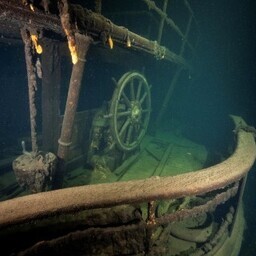
Estonian Culture Minister Heidy Purga has designated 15 shipwrecks in Estonian waters as cultural monuments. All are at least 100 years old and now enjoy protection as archaeological monuments, expanding safeguards for the Baltic Sea country's underwater heritage.
The Ministry of Culture says the wrecks are an important part of Estonia's underwater cultural heritage. They provide valuable information about shipbuilding, seafaring, maritime trade and naval warfare in different historical periods.
Which wrecks are included
The protected sites include 12 sailing ships, the destroyer S31, a steamship and the merchant steamship Success. Four lie in Estonia's internal waters, nine in its territorial waters and two in its exclusive economic zone. All are well enough preserved to serve as important archaeological sources.
Estonia currently protects 122 underwater monuments, so the 15 new ones are a substantial expansion. Purga said it also offers a chance to mark the 25th anniversary of the UNESCO Convention on the Protection of the Underwater Cultural Heritage.
How protection works
An underwater monument covers the wreck itself and its archaeological cultural layer, including detached parts. The surrounding area may also be a maritime grave. A 300-meter-wide protection zone will be set around each monument, so authorities can assess the impact of planned nearby activities and, if necessary, act to prevent damage.
Maili Roio, underwater archaeology adviser at the National Heritage Board, called each wreck a unique and irreplaceable historical source. In her words, wrecks often provide more depth and detail about shipbuilding, trade, naval warfare and daily life than written records. She said the Baltic Sea's unique preservation conditions have left an extraordinary underwater heritage, which brings a responsibility to protect it.
The protection also helps Estonia meet its obligations under the 2001 UNESCO Convention, which it joined on February 2, 2021.