Estonia's crisis readiness grows, but shelter shortage remains a major gap
Estonian officials say the country's crisis preparedness is slowly improving, but a severe shortage of shelters remains the biggest unresolved problem.
Estonia's Interior Minister Igor Taro and Rescue Board Director General Margo Klaos say the country is steadily becoming better prepared for major crises, though significant work remains. Recent events have underscored the need: a large part of Tallinn lost water supply for several hours around New Year's, and since spring, drones straying from Russian airspace have repeatedly entered Estonian territory.
Shelter numbers far too low
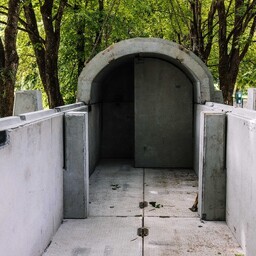
According to Taro, the most pressing issue is shelters. Estonia currently has just over 300, which he describes as a small fraction of what the country actually needs. He said the easy groundwork — identifying and marking existing shelters so people know where they are — has already been done. The harder task now is converting existing building spaces into functional shelters.
Slow uptake from apartment buildings
Grants are available to help apartment associations convert basements into shelters, but uptake has been weak. Tallinn alone has set aside €1.5 million this year for such support, yet much of it remains unused. Deputy Mayor Tiit Terik said the city offers to cover 70 percent of costs for adapting basements, including electrical, plumbing and ventilation work, when the total project cost is around €10,000 — but residents have not taken the offer seriously enough.
Meanwhile, the city continues adding public shelters, though these are concentrated mainly in central Tallinn, with far fewer options toward the outskirts. Terik said mobile shelters are also planned, with the goal of bringing them into Tallinn's urban space next year. Since this year, all new large buildings, including apartment blocks, are required to include a proper shelter.
Schools and kindergartens a concern
Klaos said he remains worried about the preparedness of schools and kindergartens, noting that little work has been done so far to protect children while they are at these institutions. He said there are currently no major concrete plans, and that adapting these spaces will likely only begin in a couple of years, relying on European Union funding.