Estonia studies Soviet-era summer cottage culture, aiming to move one to a museum
Estonian researchers are documenting garden cottages, known as suvilas, built during the Soviet period. The project aims to relocate one such cottage to the Estonian Open Air Museum.
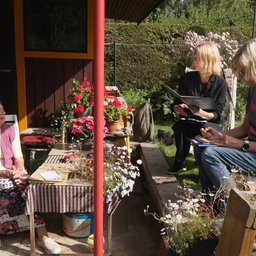
Researchers in Estonia are mapping and documenting garden cottages built during the Soviet era, known in Estonian as suvilas. Art historians from the Estonian Academy of Arts (EKA) and ethnologists from the University of Tartu are working together on the project. Its main goal is to find one such cottage and relocate it to the Estonian Open Air Museum, where the story of the building and its owner can be told.
According to the source, nearly 50,000 of these cottages were built between 1950 and 1980. They were constructed under strict Soviet rules, so they differ from buildings erected before and after that period. They reflect both state-provided leisure and people's private dreams.
How the research works
The researchers spend their summers travelling across Estonia, talking to cottage owners and recording history. Interviews are free-form, closer to a conversation than a survey. The whole property is examined, including garden beds, small outbuildings and interiors, while spatial specialists take measurements and draw up plans. Where owners permit, the cottages are photographed.
The team also searches archives for rarer types, such as terraced summer cottages. Owners bring out old photo albums, receipts and construction plans kept for decades, which offer insight into everyday building practices and people's ingenuity.
Perspectives and limits
Epp Lankots, dean of EKA, says the privately owned summer cottage is a type of building constructed en masse in the Soviet era that shows how the state tried to create leisure opportunities for working citizens. Dagmar Ingi, head of rural architecture at the Open Air Museum, stresses the importance of studying the person and their relationship with the cottage. The researchers approach every participant without prejudice and consider each person's story important.
The work is limited by time and by the subjectivity of memory: events from decades ago are filtered through nostalgia, which adds emotional colour but reduces factual accuracy.