Estonia plans to scrap packaging excise duty, but businesses split on draft law
Estonia's government plans to abolish its packaging excise duty from July 1, 2027 under a new draft Packaging Act. The Estonian Chamber of Agriculture and Commerce backs the repeal but criticizes new EU-driven reporting requirements.
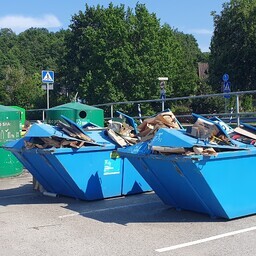
The Estonian government plans to abolish the excise duty on packaging, introduced in 1997, under a new draft Packaging Act. The tax is due to be scrapped from July 1, 2027. The Estonian Chamber of Agriculture and Commerce, a business organization, supports the move but has criticized additional reporting rules.
The duty has been paid by companies that put packaged goods on the market without collecting and recycling enough packaging waste. In recent years the state has earned around €300,000 a year from it. Minister of Infrastructure Kuldar Leis (Reform Party) said revenue has fallen significantly over time.
According to him, recycling targets are being met and only smaller companies are still left paying the duty, so there is no longer any point in collecting it in its current form. Abolishing the tax will not release companies from the obligation to collect and recycle packaging waste, which also stems from the new waste reform. The plan is to transpose the European Union's Packaging Regulation, aimed at reducing waste, especially packaging waste, and increasing recycling.
Fewer companies must file reports
Meeli Lindsaar, the chamber's head of food policy, welcomed a clause under which companies placing less than 100 tons of packaging on the Estonian market annually will no longer need to submit packaging reports. Until now the threshold was 20 tons. She said the obligation will remain for companies whose recycling volumes are significantly larger.
The chamber is nevertheless concerned about the new EU rules requiring more detailed breakdowns of the type and composition of packaging. Lindsaar explained that it is not enough to state whether packaging is cardboard, plastic or metal; the specific material and composition must also be given. In her view, this cannot be assessed with certainty or guaranteed to stay identical. Industry must declare all packaging it receives and the packaging in which products are sent out.
Lindsaar said the idea is understandable from a recycling perspective, but represents a major additional burden for producers. Leis said cooperation with business organizations is ongoing and the draft may still be refined.