Estonia Plans to Send Substantial Number of Locomotives to Ukraine
Estonian Foreign Minister Margus Tsahkna says his country is preparing to supply Ukraine with locomotives to replace rolling stock destroyed by Russia. Estonia will also add €10 million through NATO's PURL initiative.
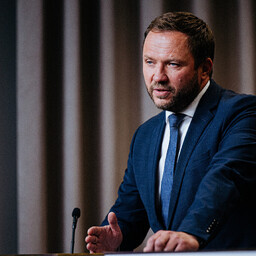
Estonia intends to send a "substantial number" of locomotives to Ukraine to make up for railway equipment destroyed by Russia, Foreign Minister Margus Tsahkna of the Eesti 200 party has announced. Russian attacks on critical infrastructure continue to hit Ukraine's railways, and the aid is meant to keep transport links running ahead of the coming winter.
Call with Ukraine's foreign minister
Tsahkna spoke by phone last week with Ukrainian Foreign Minister Andrii Sybiha. They discussed the situation in Ukraine, Russian attacks and the assistance needed this winter. Tsahkna stressed that Ukraine must receive even more extensive practical help in the coming months.
He said Russia has targeted critical infrastructure, including the transport network, and has already destroyed or damaged 340 railway carriages this year. According to him, supplying locomotives will help keep the country's transport links working even in the most difficult conditions.
What is known about the locomotives
The press release gave no further details. On Thursday, however, the Ministry of Foreign Affairs told ERR's Russian-language portal that more than 60 locomotives have been identified that could potentially be sent to Ukraine. A group of experts from Ukrainian Railways visited Estonia earlier this month to assess whether the locomotives meet the needs of the Ukrainian rail network. Estonia is waiting for the experts' response and will then keep seeking funding through international mechanisms.
Additional support and the situation in Ukraine
Estonia will give Ukraine another €10 million through NATO's PURL initiative, raising its total contribution to €30 million.
Tsahkna also described the situation in Ukraine: drone and missile attacks, along with power cuts affecting hundreds of thousands of people, have become part of everyday life in recent weeks. Civilian casualties rose by 85 percent in September, and more than 2,000 energy infrastructure facilities have been attacked since July. In his view, the conditions for serious peace negotiations will not exist until Russia changes its behaviour.