Estonia weighs tougher rules for electric scooters after rise in minor injuries
Estonia's Riigikogu economic affairs committee has backed a bill tightening control over e-scooter rental users and allowing police to confiscate personal scooters that exceed speed limits, following a rise in accidents involving minors.
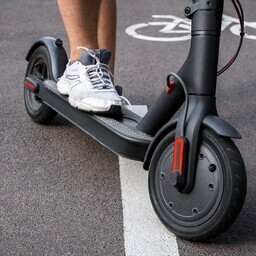
The economic affairs committee of Estonia's Riigikogu has approved a draft law aimed at tightening control over users of rented electric scooters and other light personal vehicles. Committee chairman Marek Reinaas commented on the move, noting a growing number of accidents involving minors, and pointing out that the problem increasingly concerns privately owned scooters rather than rental ones, since personal devices can be modified to reach far higher speeds than permitted.
Rising number of minors in accidents
According to the Transport Department, minors account for 20–30% of all accidents involving light personal vehicles. Reinaas said that more than one hundred minors have been injured in accidents involving electric scooters so far this year.
Rental companies to face stricter identification rules
Under the bill, rental companies will be required to verify customers' identity and age more carefully. While many services already set an age limit, such as 18, enforcing it has proven difficult in practice, since minors can use someone else's account. The new requirement for mandatory identity verification is meant to close that loophole by blocking access through borrowed or fake accounts.
Police to gain power to confiscate overpowered scooters
Another key change would give police the authority to seize vehicles whose technical parameters — such as speed or motor power — exceed the limits set for road use in Estonia. Reinaas explained that privately owned scooters with modified settings can reach speeds of 50–60 km/h, posing serious risks, particularly when ridden by teenagers. He noted that police would likely apply confiscation mainly in cases of repeated violations.
Rules expected to take effect in 2027
Reinaas believes the industry is ready for the change, since rental terms already bar use by people under 18, and the necessary digital verification tools already exist, similar to those used in car rentals. The bill's first reading in the Riigikogu is scheduled for October 14, with the new rules expected to take effect in March 2027.