Nearly all heating costs to rise for Estonians this winter
As the heating season begins in Estonia, prices are rising for almost every fuel type, with natural gas costs more than doubling on global markets. Narva faces the steepest increases, as its district heating relies heavily on gas.
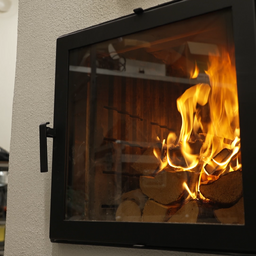
As Estonia's heating season begins, prices are climbing for nearly every form of home heating, driven by global fuel price increases linked to ongoing international crises. Most Estonians rely on district heating, though firewood, gas heating and heat pumps are also common.
Firewood prices have risen only modestly since raw material costs stayed stable, with dry firewood up 5 to 10 percent at most. Wood pellets, however, have hit record highs, partly because Estonia's pellet exports to Poland rose by half after a Polish program encouraged households to replace old wood- and coal-fired boilers.
District heating and gas
Of Estonia's eight district heating areas, five have seen price increases averaging around 10 percent. In Tallinn, the Iru waste-to-energy plant raised its price by 6 percent this spring, and wood chip costs rose by roughly 20 percent.
The main driver is natural gas, which district heating firms use for between a third and a half of their heat production. Gas market prices have risen two and a half times compared with last heating season because of the Hormuz crisis. Gas supplier Elenger said customers on market-price plans should expect a 35 to 40 percent increase compared with last season.
Narva hit hardest
Narva faces the worst situation, since its district heating depends heavily on gas. Prices there have reached the highest level in Estonia, at €137 per megawatt-hour. The city's mayor noted that with a large share of pensioners and unemployed residents, plus many uninsulated Soviet-era apartment buildings, heating costs could consume half of pensioners' income.
Narva is seeking special state permission to use shale oil for heating this winter, since it is currently cheaper than natural gas, with Estonia's Environmental Board expected to grant the permit next week. Utilitas is also considering applying for a similar exemption to ensure supply continuity, though it expects to cut its gas dependence below 10 percent next heating season once a new wastewater and seawater heat pump plant is completed.

/nginx/o/2026/09/28/17943062t1hc93f.jpg)
