Estonia's Interior Ministry plans crisis reserve of nearly 5,000 volunteers
Estonia's Interior Ministry is preparing legislation to create a crisis reserve of almost 5,000 volunteers, including rescuers, coast guard personnel, bomb disposal specialists and volunteer police, with legal guarantees to take time off work if called up.
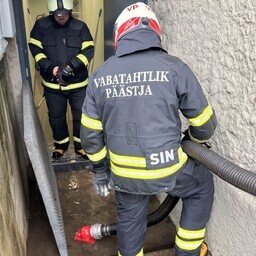
Estonia's Interior Ministry is working on legal amendments that would establish a new crisis reserve of nearly 5,000 volunteers, drawing on rescuers, coast guard staff, bomb disposal specialists and volunteer police officers.
Ministry adviser Kristen Kanarik explained that current law only allows crisis roles to be assigned to volunteer police officers and volunteer bomb disposal specialists. The ministry wants to expand this to include volunteers at the Emergency Response Center, volunteer rescuers and volunteer maritime rescuers.
How the system would work
Under the plan, a person would voluntarily agree to join the reserve with a designated crisis role. If the government determines such people are needed to resolve a crisis, they would be called up based on a government decision, with the law guaranteeing their right to take time off work to help. According to the ministry, at least 5,000 volunteers with crisis roles are needed to carry out crisis-related tasks effectively.
Rescue Board recruitment plans
Rescue Board Director General Margo Klaos said his agency is seeking around 500 additional people for the new volunteer rescue reserve. Initially, recruitment will focus on people who already have relevant training, mostly former personnel — including those who left due to low pay, unsuitable working conditions or a change of residence, but who would be willing to return during a crisis.
The Rescue Board is also counting on ordinary members of the public who want to contribute more and help others during a crisis, and will provide them with volunteer rescue training. Similar to reservists in the Estonian Defense Forces, crisis reservists in the rescue services will undergo training sessions and exercises, and will receive social security guarantees, including a requirement that their employer keep their job open during training or crisis deployment.
/nginx/o/2025/10/24/17237516t1hf22b.jpg)