Interior minister: Closing eastern border would free up 160 officials
Estonian Interior Minister Igor Taro says closing the border with Russia would free up 160 officials, some of whom would be reassigned to strengthen the southern border. He also gave figures on people staying in the country illegally.
If Estonia closed its eastern border with Russia, 160 officials would be freed up, and some of them are expected to be moved to reinforce the country's southern border. Interior Minister Igor Taro, of the Eesti 200 party, explained this in a written reply to a member of the Riigikogu, Estonia's parliament.
The question came from Helir-Valdor Seeder, who leads the opposition Isamaa party's parliamentary faction. He asked how many officials and employees are currently tied up keeping the temporary control line crossings on the Estonia-Russia border open, and how many could be reassigned if the eastern border were shut.
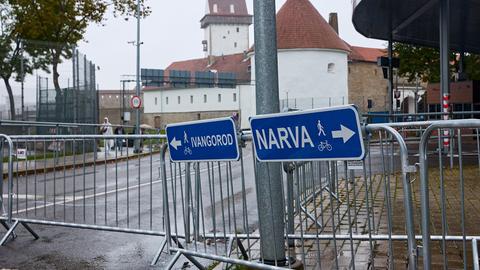
Taro replied that 160 officials work at the Narva, Koidula and Luhamaa border crossings and would be deployed to other border guard duties. Security would still have to be provided at the crossings, and officials would need to respond to possible incidents. Part of the freed-up resources would go toward stronger surveillance of the land border and compensatory measures at internal borders.
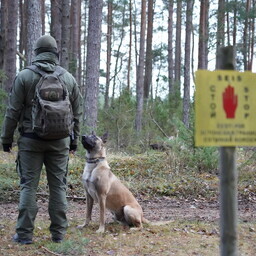
Seeder also asked whether the minister considered it appropriate to use the freed-up resources to reinforce the Estonia-Latvia border and prevent illegal migration more effectively. Taro said the Police and Border Guard Board is analyzing what resources the compensatory measures require and will use border crossing staff at internal borders as needed. Controls aimed at preventing illegal migration will certainly be tightened as a result of these changes, he said.
Figures on illegal stay
Taro said that as of November 20, 570 people were registered as staying in Estonia illegally. Of them, 92 had left the country under enforceable departure orders. A further 325 people have left this year under voluntary departure orders. That figure excludes 199 people returned to Latvia under EU law.
As of November 20, 239 people were being held at the Police and Border Guard Board's detention center.