Estonian small business advocate: expanding occupational health services serves providers, not health
Ille Nakurt-Murumaa, an occupational health consultant and representative of the Estonian Association of Small and Medium-Sized Enterprises, opposes plans to expand mandatory occupational health care. She argues it would raise costs for employers and guarantee revenue for the largest providers.
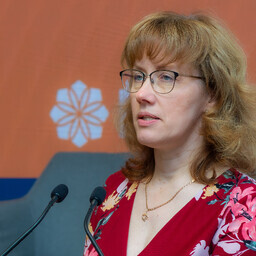
A debate is under way in Estonia over the future of occupational health care. Ille Nakurt-Murumaa, a consultant and field expert who works with the Estonian Association of Small and Medium-Sized Enterprises (EVEA), opposes turning occupational health services into a broad primary care service paid for by employers or partly by the Health Insurance Fund.
Estonia's Ministry of Social Affairs is currently drafting occupational health policy guidelines through 2035. It acknowledges problems in the system: uneven or inadequate quality, health checks that do not reflect real workplace risks, and limited access to occupational health physicians outside major cities, where services are often available only at high cost.
The Estonian Association of Occupational Health Service Providers (ETTOL), which supports mandatory occupational health services and their expansion, proposes extending them to assess employees' general health and wider public health risks. The association says a working group reached a consensus on the idea and that the ministry later backed away from it. Nakurt-Murumaa disputes this, saying no such consensus existed.
Arguments against expansion
The author says the system is a business model rather than health policy. Estonia has few occupational health physicians, and nearly 80 percent of the market is held by a handful of large providers. Since 2023, employers have had to buy a "comprehensive occupational health analysis" every three years in addition to regular health checks, which she considers mostly worthless.
According to the ministry, Estonia had 68 occupational health physicians in 2025, 28 of them aged 65 or older. Only two residency positions in the specialty were available this year. Health examinations are often carried out by general practitioners or nurses, with occupational health physicians only signing off on results.
She argues that an expanded service would cost more and push smaller providers out of the market, making access harder in rural areas. In Tallinn, an office worker's health check costs at least €75 per employee.
EVEA's proposal
EVEA wants mandatory checks tied to actual workplace risks, such as noise, chemicals or night work. General health care should stay with family physicians, with occupational health physicians acting as specialists. Before any new requirement is introduced, the state should calculate the cost and weigh it against the health benefits.