Estonian museums rearrange art displays to suit Instagram and TikTok visitors
Estonian museums are adjusting how artworks are arranged and lit to appeal to social-media users, as the average time spent looking at a single piece has dropped to just a few seconds. State museums, meanwhile, are taking the opposite approach, encouraging visitors to slow down.
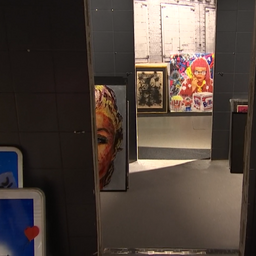
Museums in Estonia are changing how they display art as more visitors come primarily to photograph pieces for social media rather than study them at length. The Pop and Contemporary Art Museum (PoCo) in Tallinn rearranges its exhibits several times a year, recently spending a week preparing its fall display.
Owner Linnar Viik said the museum monitors how visitors move through the space and what they post online to spot works that are being overlooked. He said such pieces need to be relocated or presented differently to draw more attention.
Attention spans are shrinking
The museum, which holds works by artists including Andy Warhol, Banksy, Roy Lichtenstein and Keith Haring, sees visitors stay for about 45 minutes on average — roughly the length of a Netflix episode. But individual artworks get far less engagement. Viik said that before the COVID-19 pandemic, people spent 20 to 25 seconds looking at a work that caught their eye; that has now fallen to about 10 to 15 seconds.
This makes it important for museums to create shareable moments. PoCo has deliberately set up five or six "Instagrammable" spots, including one near Estonian street artist Edward von Lõngus' "Dance of Death," which has been photographed from the same angle tens of thousands of times. Curator Karl Markus Mäekivi said a famous name or an unusual message often prompts people to take a photo, while careful lighting and placement can also encourage visitors to pause and look closer.
A different approach at state museums
State-run museums put less emphasis on social media, focusing instead on helping visitors slow down. At the Adamson-Eric Museum in Tallinn, visitors can use a worksheet designed to help them focus on one artwork and notice details they might otherwise rush past. Curator Karin Vicente said appreciating art doesn't require scholarly knowledge, just the confidence to take one's time and not feel pressured to see an entire museum in one visit.