Estonian mayor pushes back against regional policy experts' reboot plan
Lääneranna Municipality mayor Tarvi Sits has criticized Estonian regional policy experts' proposed support scheme in an ERR News opinion piece, arguing instead for placing education, culture and living environment at the core of regional development.
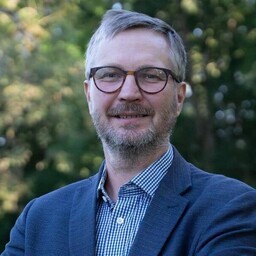
Tarvi Sits, mayor of Lääneranna Municipality, has published an opinion piece on ERR News challenging a reboot of Estonian regional policy recently proposed by recognized experts, including researcher Garri Raagmaa.
According to Sits, the experts' plan calls for a national development scheme in which support for counties would be distributed with involvement from advisory institutions, with success measured largely by how much financial support reaches businesses. He points out that the experts cite capital-region service businesses receiving the largest share of research and innovation funding compared with lower-value-added rural activities — but notes this comparison is based on support received rather than profits, revenue or exports.
Three alternative pillars
Instead, Sits proposes building regional policy around education, culture and the living environment. On education, he argues children in grades 1–6 should be able to attend school close to home, while the state could fund dormitories and higher salaries for qualified teachers in rural areas. He points to Estonia's language-education transition in Ida-Viru County, where additional teacher pay helped attract staff, as a model of what a clear plan with incentives can achieve.
On the living environment, Sits cites a doctoral dissertation by former Mulgi Municipality mayor Andres Rõigas, which found that people's decisions to move to the countryside are shaped mainly by a place's character, environment and community, with many newcomers bringing remote jobs with them. He argues for repurposing historic buildings rather than funding new industrial parks, and for community centers in villages combining libraries, remote-work spaces and stalls for local products.
The third pillar, culture and community, is described as essential to social cohesion, with regional events such as the Viljandi Folk Music Festival cited as generating direct economic benefits for local businesses through tourism.
Sits concludes that Estonia should move beyond the historical model of factories creating towns and instead focus on building places people actively want to live.