Historical memory chief asks whether Estonia fears or is ashamed of its history
Meelis Maripuu of Estonia's Institute of Historical Memory warns that silence about Soviet repression plays into Russian propaganda, and that funding for the planned Patarei museum of communism's victims remains uncertain.
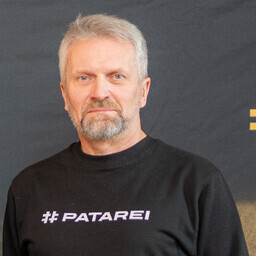
Meelis Maripuu of the Estonian Institute of Historical Memory, a private foundation building a museum on communist crimes in the former Patarei Prison in Tallinn, argues in an opinion piece for ERR News that Estonian society is silent about its recent past. In his view, this serves Russia's information warfare aims.
The Russian campaign over monuments
This week, European Union member states imposed sanctions on a Russian company involved in organizing disinformation campaigns. The Propastop blog has analyzed a new campaign centered on monuments. After Russia's full-scale war against Ukraine began, Estonia reached political consensus and removed most Soviet occupation monuments from public spaces. Russia sees them as symbols of its presence, and the campaign portrays their removal as support for Nazism. The message is also aimed at Western European audiences.
Silence within families
Maripuu notes that Estonia lost nearly one-fifth of its population: tens of thousands were murdered, imprisoned, deported or forced to flee. Some authors say society clings too much to narratives of suffering, but researchers of repression encounter intergenerational silence, with parents staying quiet to protect their children. The institute has made some accounts available on the oral history portal Kogu Me Lugu.
Maripuu says that at a meeting with university students, none could explain why the museum is set to open on June 14, Estonia's only official national day of mourning, which commemorates the June 1941 mass deportations. A search of public statements by prominent figures, excluding active politicians, likewise turned up only a few fragments about family repression stories.
Uncertain funding
The government tasked the institute with the museum in 2018. Budget cuts have left one-third of the planned exhibition unfinished, and the museum is due to open in reduced form on June 14 next year. Justice and Digital Affairs Minister Liisa Pakosta has argued publicly that the museum is essentially a private initiative the state cannot afford to fund, and that private donors should take over. Maripuu says the project began on government instructions. No staff funding is currently in place, and the end of the institute's research activities cannot be ruled out.